Operating challenges
- Chemical compatibility of all wetted parts
- Fugitive-emission requirements when specified
- Fire-safe or anti-static construction where applicable
- Throttling or frequent-cycling duty
- Drain, vent and cavity-cleaning requirements
Operating context
Chemical and refinery valve selection depends on corrosion, fugitive-emission expectations, cycling frequency, cleanability, temperature and the interaction between body, trim and sealing materials.
All constructions, pressure-temperature limits, certifications and inspection requirements must be confirmed against the specific product and purchase specification.
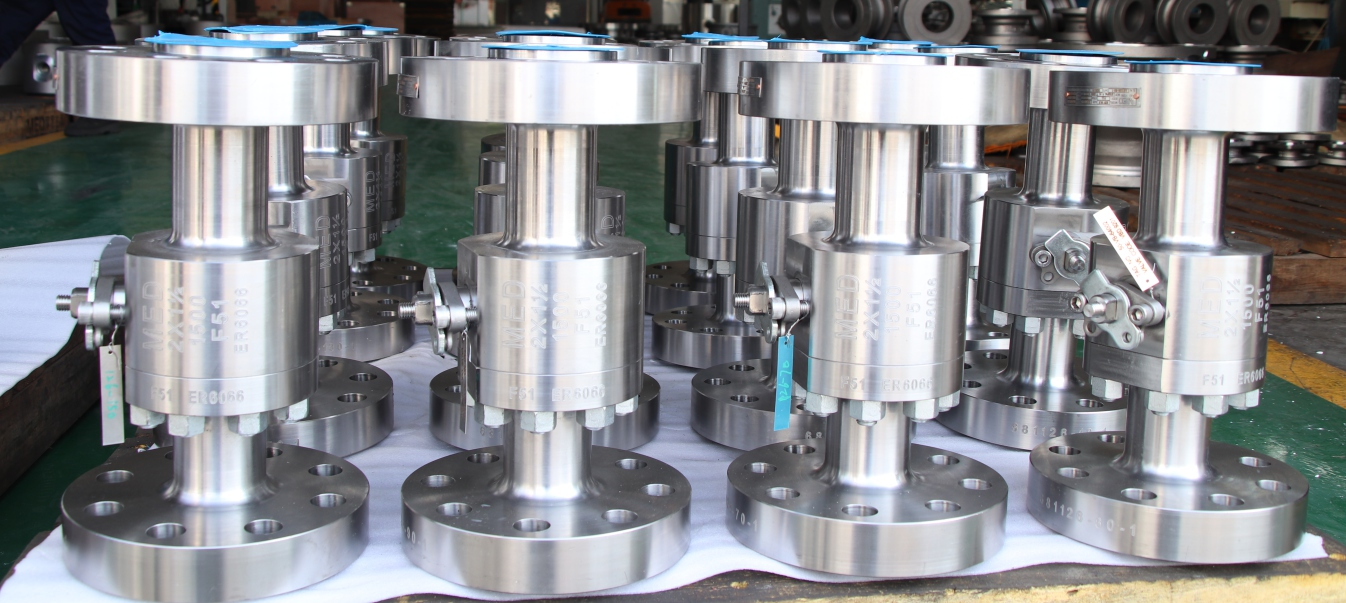
Operating challenges
Relevant valve families
Materials & standards review
Procurement checklist
More complete RFQ data reduces assumptions, qualification loops and late design changes.
Refinery & Chemical Processing
SMD Valves will review the valve configuration, materials, applicable standards and inspection scope before quotation.