✓Control de flujo SMD
•Published: 2026-07-10•⏱ 7 minutos de lectura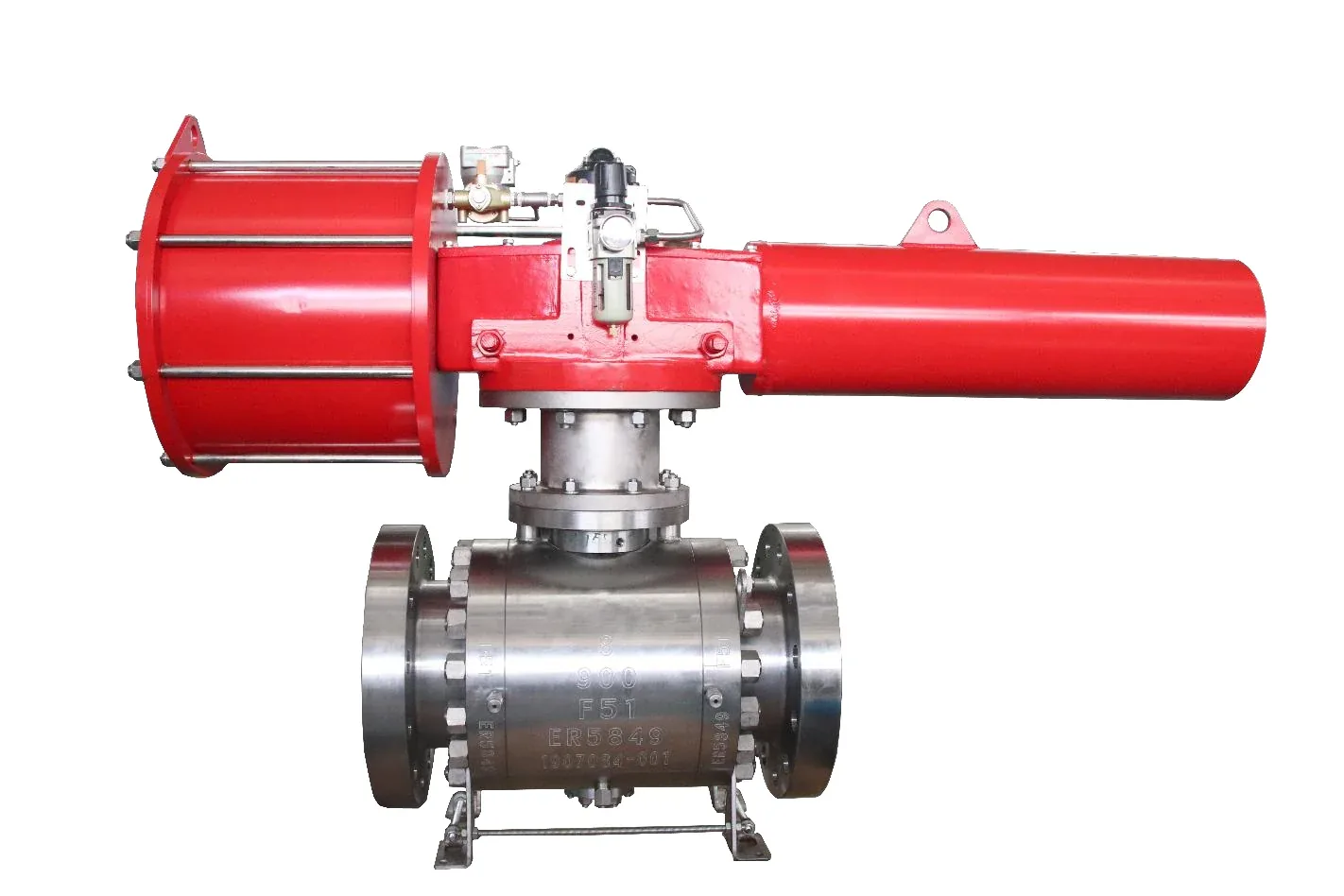
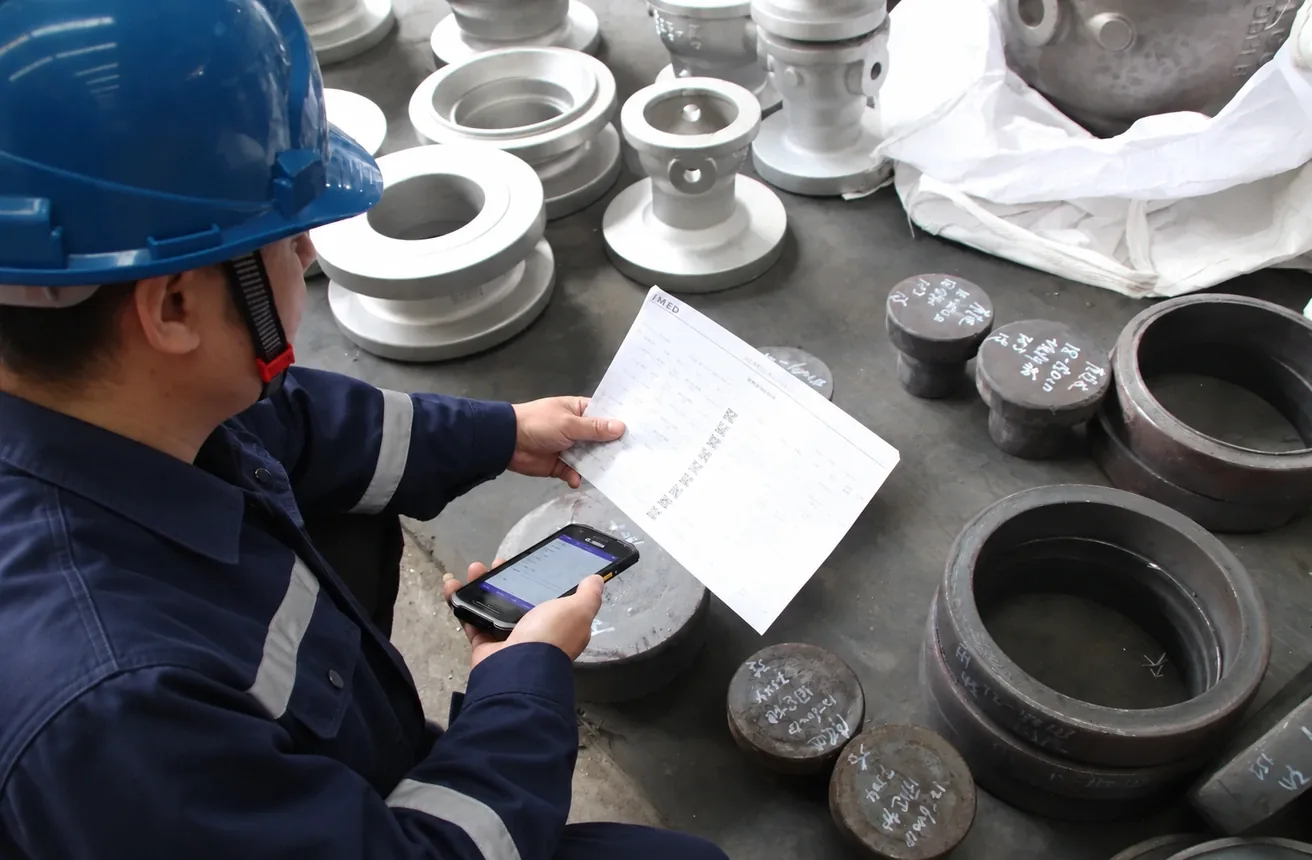
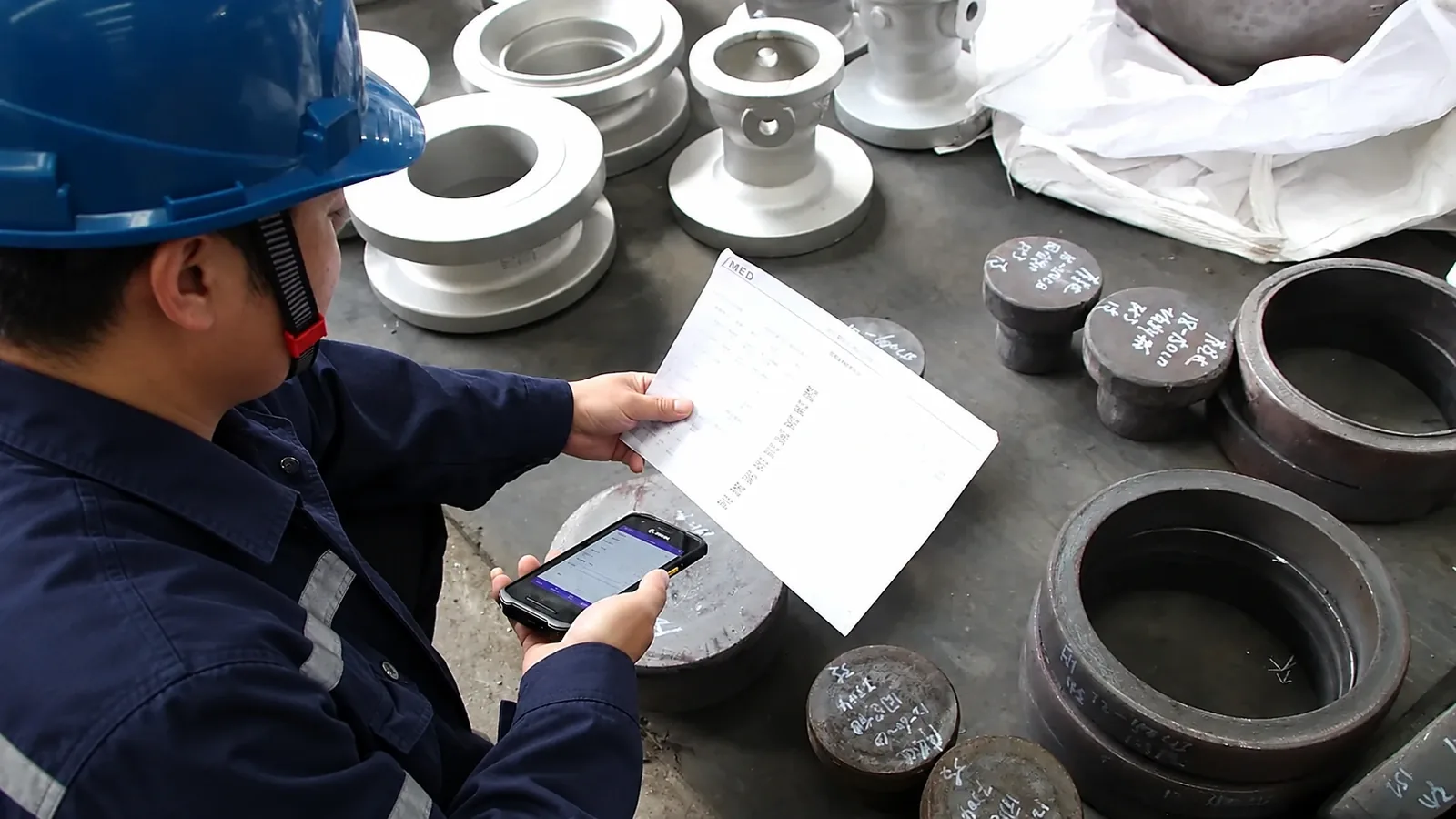
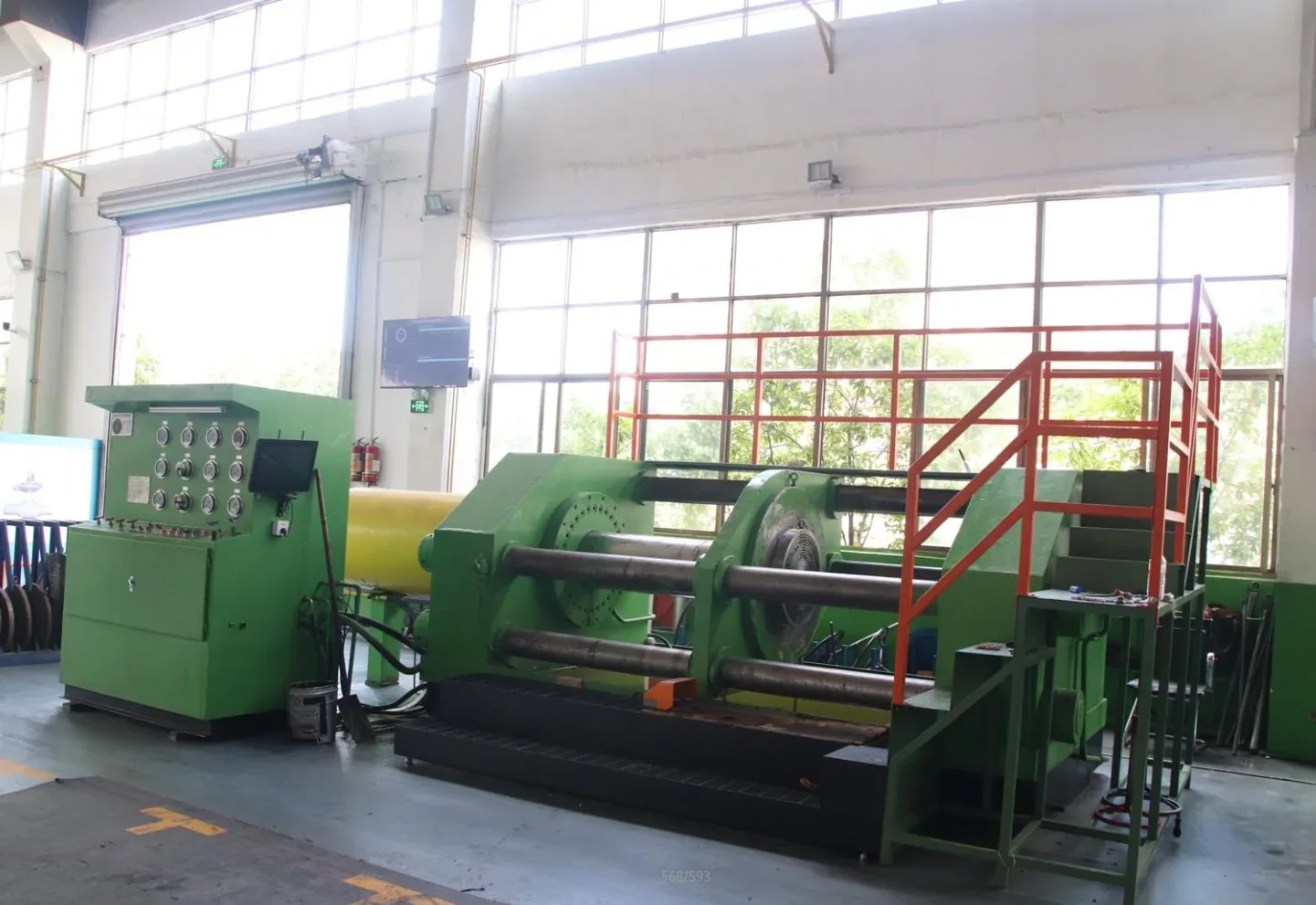
FACTORY EVIDENCE · 100% REAL WORKSHOP
A floating ball valve uses line pressure to move the ball toward the downstream seat. The arrangement is compact and widely used for smaller sizes and many general process duties. Seat design, pressure differential and material selection determine the operating torque and sealing behavior.
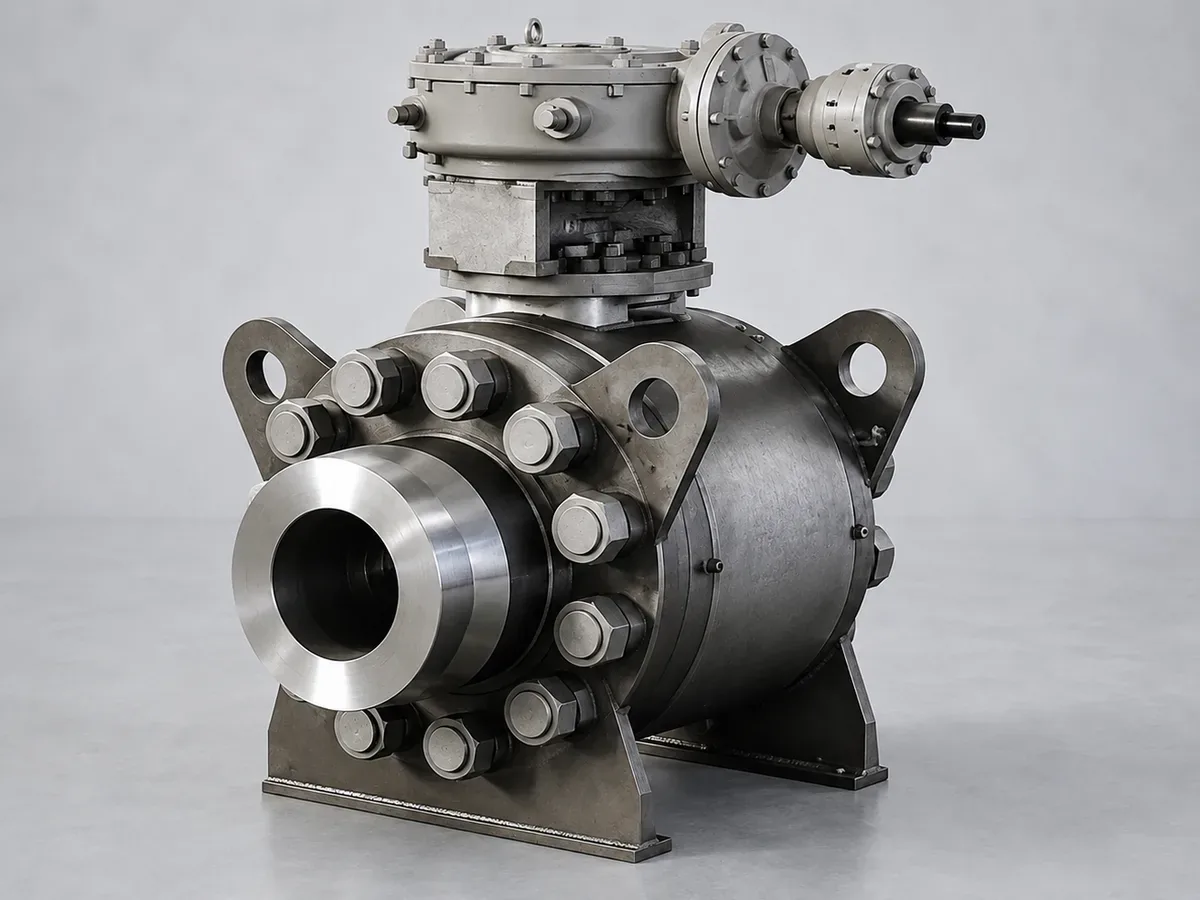
A trunnion-mounted ball is mechanically supported at the top and bottom. Line pressure acts primarily on the seats, allowing the design to be applied across larger sizes and higher-pressure services. Trunnion constructions can also incorporate double-block-and-bleed, cavity-pressure relief, emergency sealing and other project-specific features.
The choice should not be made by pressure class alone. Review size, pressure-temperature envelope, bore requirement, shutoff direction, cycling, allowable torque, actuation, cavity relief, fire-safe requirement, fugitive-emission requirement, maintenance philosophy and the applicable product standard.
For an RFQ, state whether floating or trunnion construction is mandatory or whether the manufacturer may recommend a design. Include the service conditions and required evidence so the proposed construction can be assessed on a common basis.
Engineering Q&A
Technical FAQ & Design Criteria
Critical engineering answers referenced against API / ASME / ISO standards.
At what size and pressure class does a trunnion ball valve become mandatory over floating?↓
Floating ball valves are typically limited to sizes up to 6" in Class 150, 4" in Class 300, and 2" in Class 600–1500. Beyond these thresholds, downstream seat contact stress causes seat deformation and excessive operating torque, mandating trunnion-mounted construction.
How does cavity relief function in trunnion ball valves compared to floating ball valves?↓
Trunnion valves utilize spring-loaded floating seat rings that provide self-relieving (SPE) protection when cavity pressure exceeds line pressure by 1.1x–1.3x. Floating ball valves rely on upstream seat slotting or body relief vents.
Why are trunnion ball valves preferred for motorized or automated shutdown services?↓
Trunnion ball valves have significantly lower and more predictable operating torques because the hydrostatic load is absorbed by top and bottom bearings rather than the polymer seat rings, reducing actuator sizing and power requirements.
Tags:#Válvula de bola#muñón#Flotante#Comparación
Share This Engineering Guide
Pass this technical specification and valve standard breakdown to your project procurement and piping design colleagues.
Válvula de bola tipo trunnion vs. válvula de bola flotante: cómo elegir el diseño adecuado
Official engineering resource by SMD Flow Control