✓Divisão de Mineração de Controle de Fluxo SMD
•Published: 2026-06-20•⏱ 7 minutos de leitura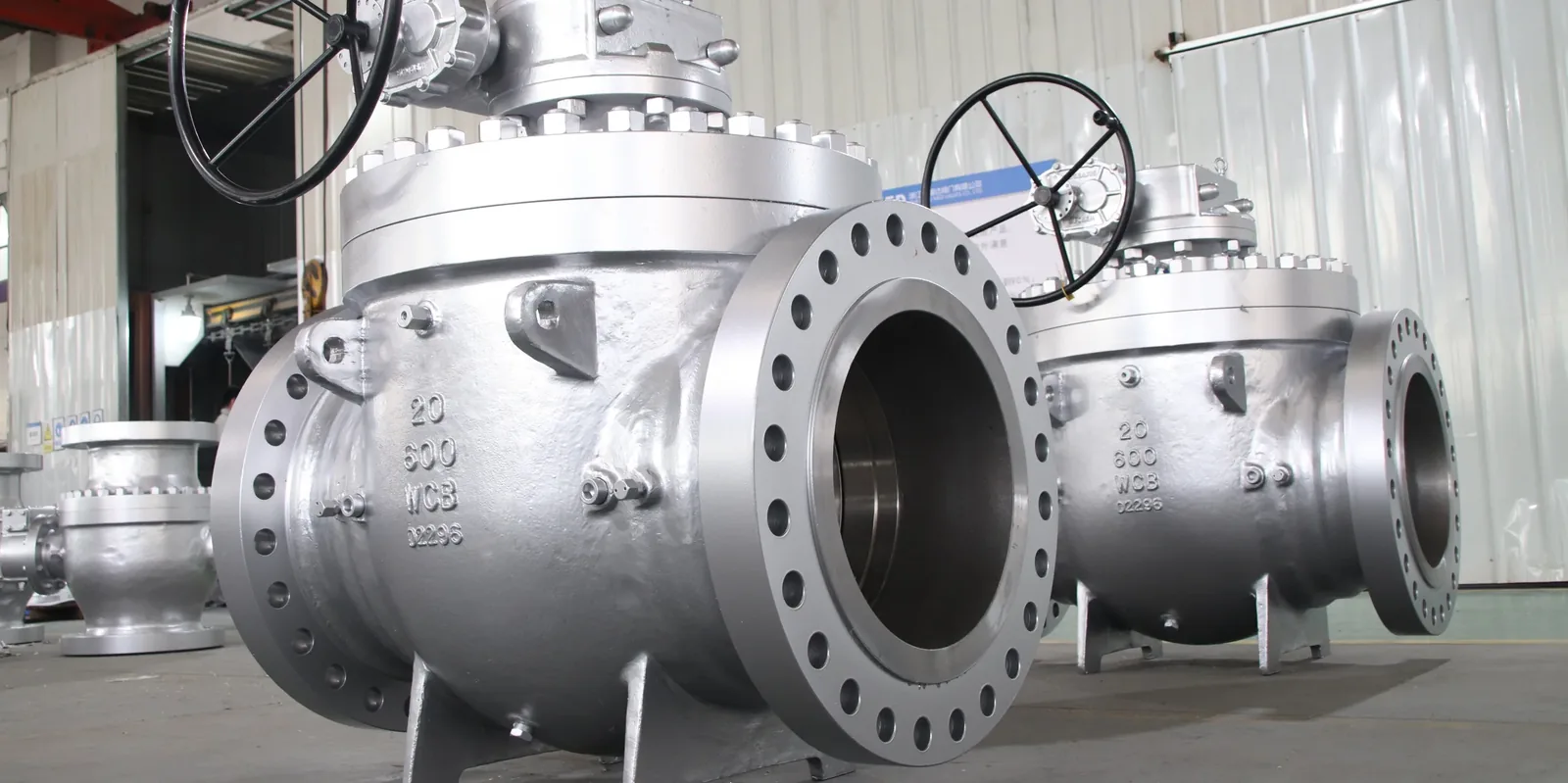
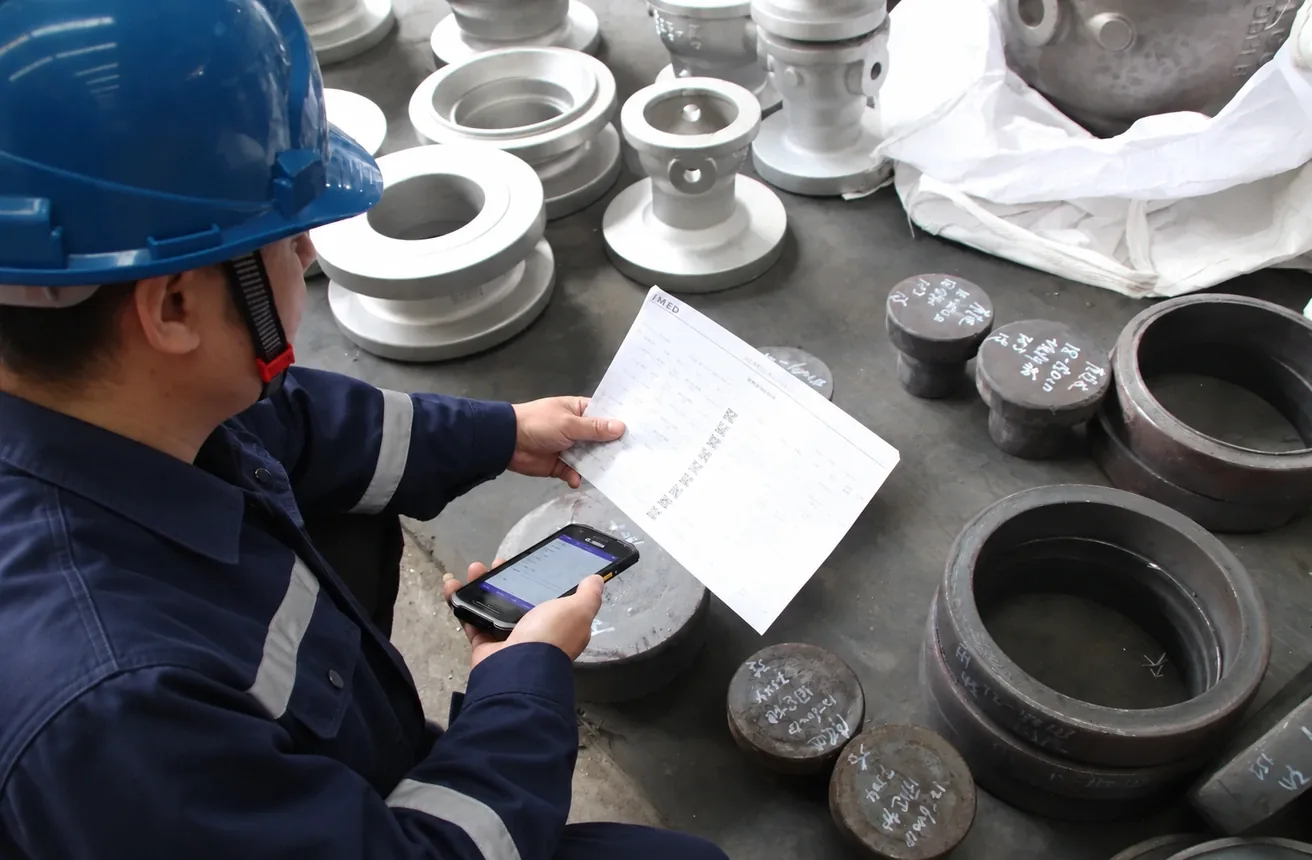
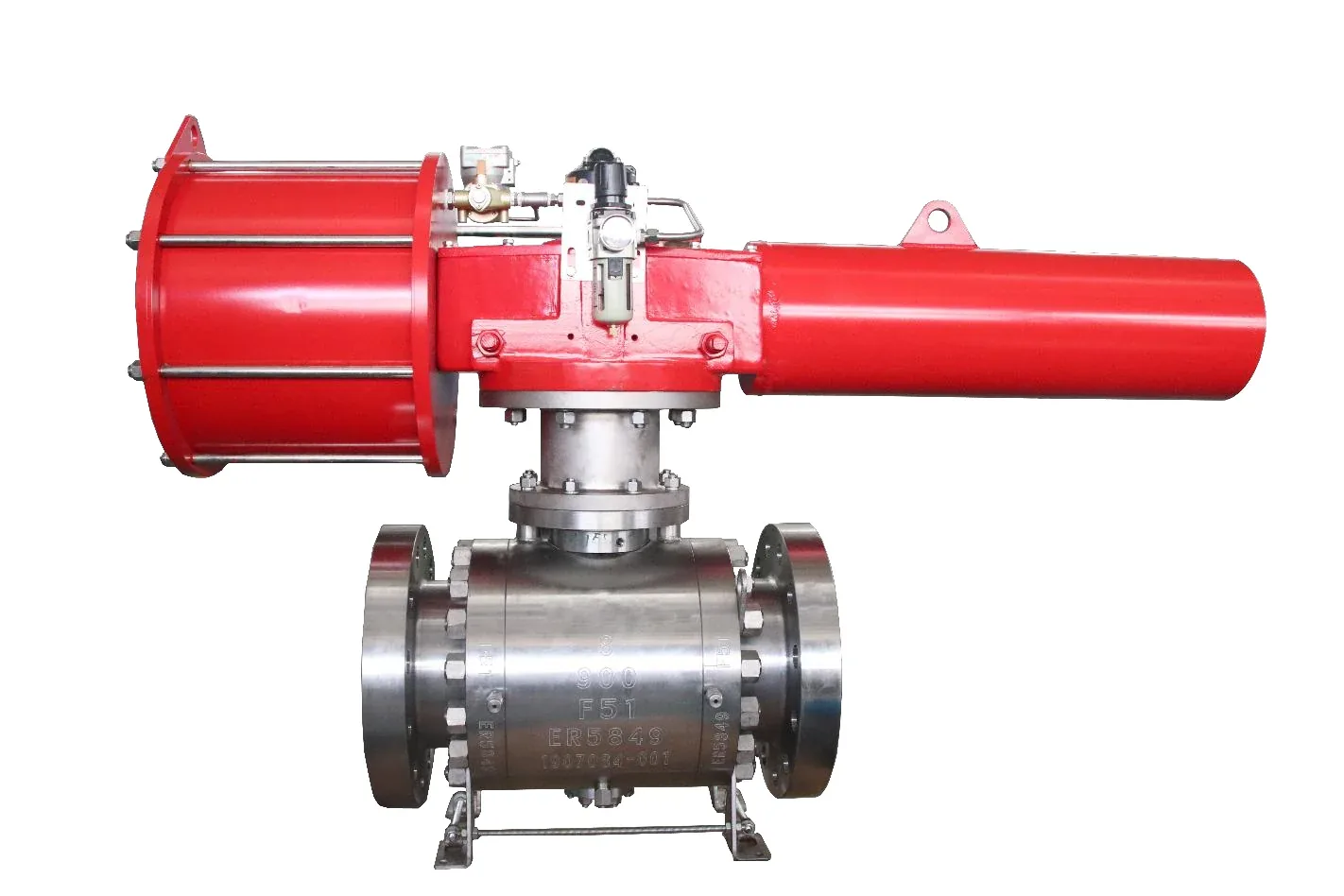
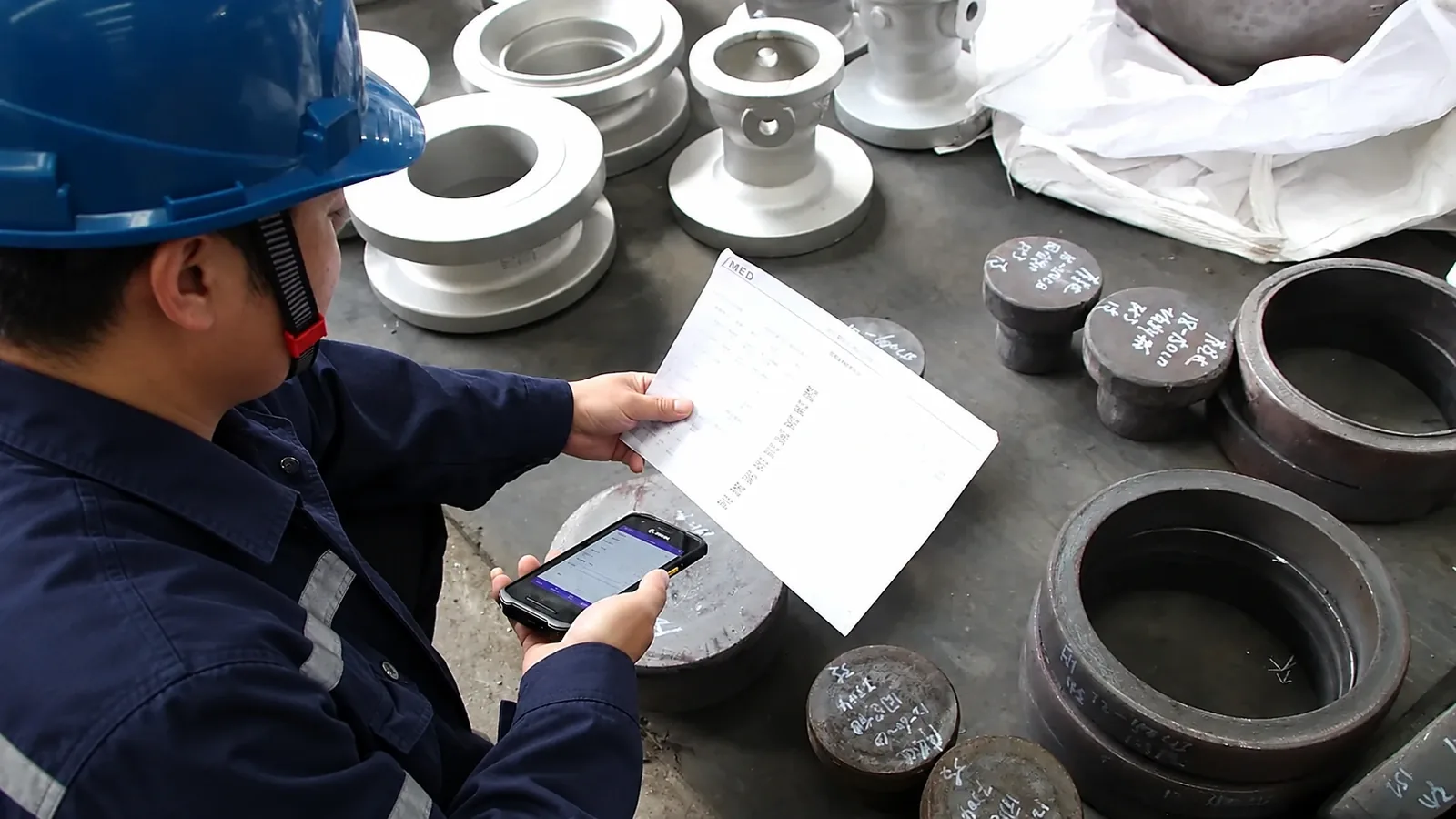
FACTORY EVIDENCE · 100% REAL WORKSHOP
In mining tailings disposal, mineral processing plants, coal washing circuits, and pulp slurries with solids concentrations exceeding 30% by weight, conventional gate and globe valves fail within weeks due to solids settling into bottom body cavities. Knife gate valves utilize a thin, beveled stainless steel or alloy blade that shears through dense slurry packs and fibers during closure.
However, standard unidirectional bonnetless knife gates (per MSS-SP-81) suffer from two major operational problems in heavy slurry: abrasive solids pack into the bottom seat groove, preventing full gate travel, and line pressure from the reverse direction forces the blade away from the single perimeter seal, causing massive downstream leakage.
For heavy slurry and tailings pipelines, heavy-duty bidirectional perimeter elastomer sleeve knife gate valves provide the premier engineering solution. These valves utilize two heavy-duty natural rubber or polyurethane sleeves pressed together in the center of the valve body. When the valve is open, the sleeves seal against each other, creating a 100% full-bore straight flow path that isolates the metal valve body from the abrasive media.
When closing, the beveled gate blade pushes between the two matching sleeves. As the gate slides downward, the elastomer sleeves wipe solids off the blade faces, discharging a minor fraction of slurry harmlessly out the open bottom rather than packing it into a bottom recess. SMD Flow Control manufactures slurry knife gate valves in ductile iron and cast steel with gate blades in 316SS, 2205 Duplex, and 17-4PH hardened stainless steel up to Class 300 pressure ratings.
Engineering Q&A
Technical FAQ & Design Criteria
Critical engineering answers referenced against API / ASME / ISO standards.
What is the key advantage of dual elastomer perimeter sleeves over conventional metal-seated knife gates?↓
Dual elastomer sleeves meet at the center to form a smooth, full-port conduit that completely isolates the body casting from slurry erosion. The design eliminates bottom cavity pockets where settled tailings can compact and prevent valve closure.
When should a through-conduit O-port knife gate valve be specified instead of a standard beveled blade?↓
Through-conduit O-port (slide gate) valves feature a continuous blade plate with a circular bore hole. In high-density pulp and tailings lines, they provide 100% positive shearing on both sides with zero cavitation and zero chance of gate jamming.
What gate blade material is recommended for acidic copper or gold tailings slurry?↓
For acidic mining tailings containing chlorides and sulfuric acid, gate blades are manufactured from 2205 Duplex (UNS S32205) or 2507 Super Duplex with surface nitrocarburizing or hard chrome plating to provide combined corrosion and abrasion resistance.
Tags:#Válvula de guilhotina#Pasta#Rejeitos de Mineração#MSS-SP-81#Manga de elastômero
Share This Engineering Guide
Pass this technical specification and valve standard breakdown to your project procurement and piping design colleagues.
Seleção de válvula guilhotina para serviço pesado para rejeitos e lama de mineração
Official engineering resource by SMD Flow Control