✓SMD流量控制质量团队
•Published: 2026-07-29•⏱ 8 分钟阅读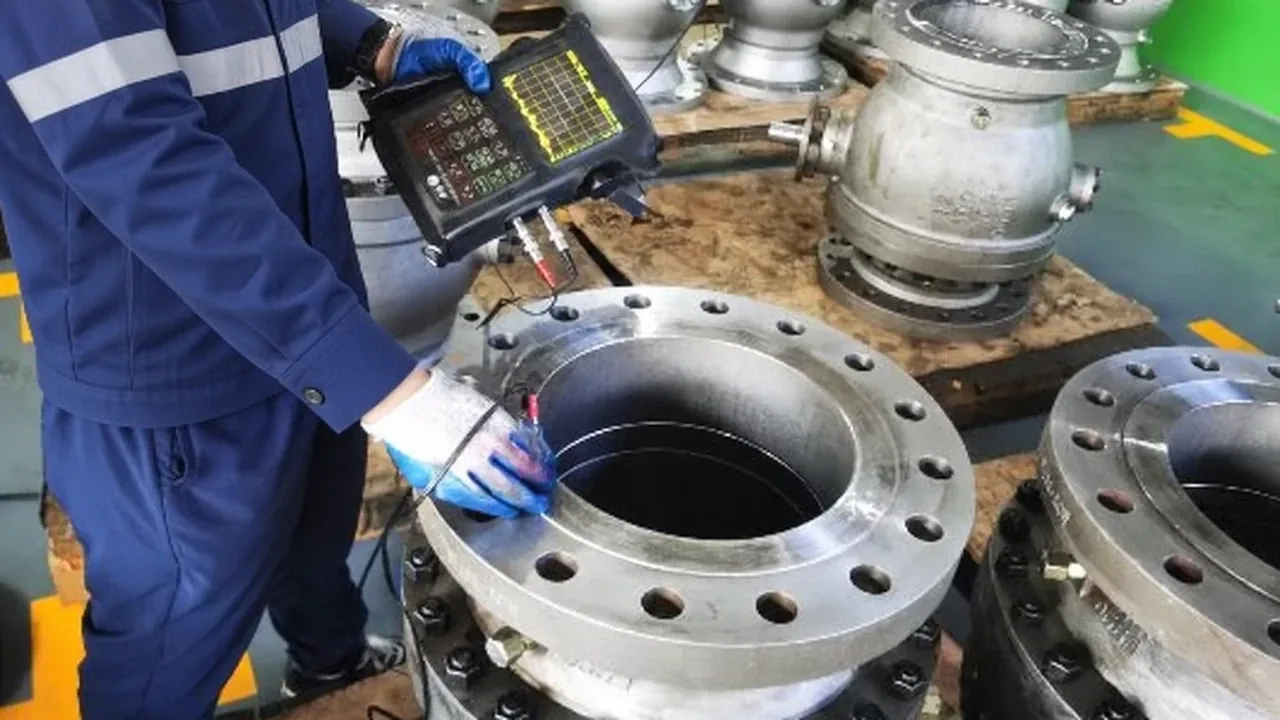
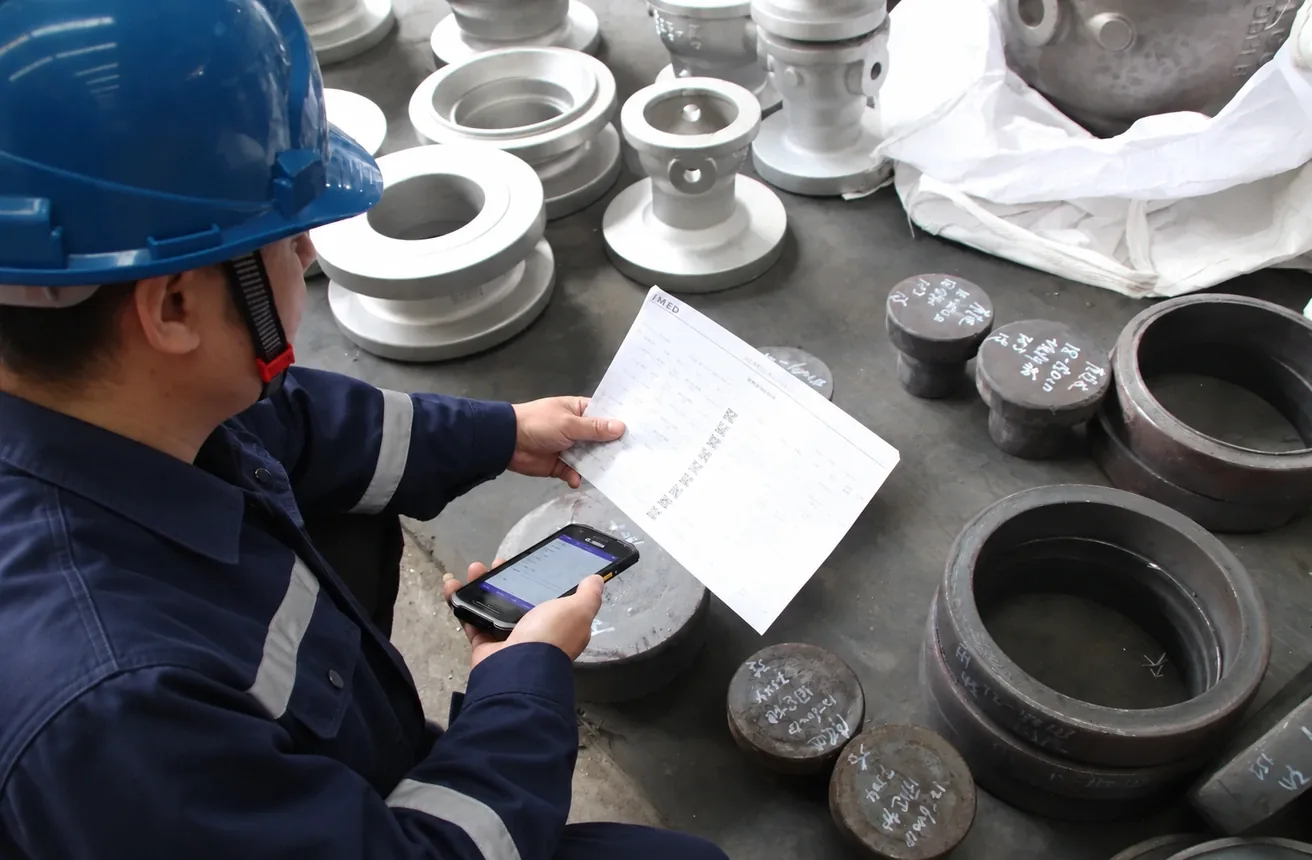
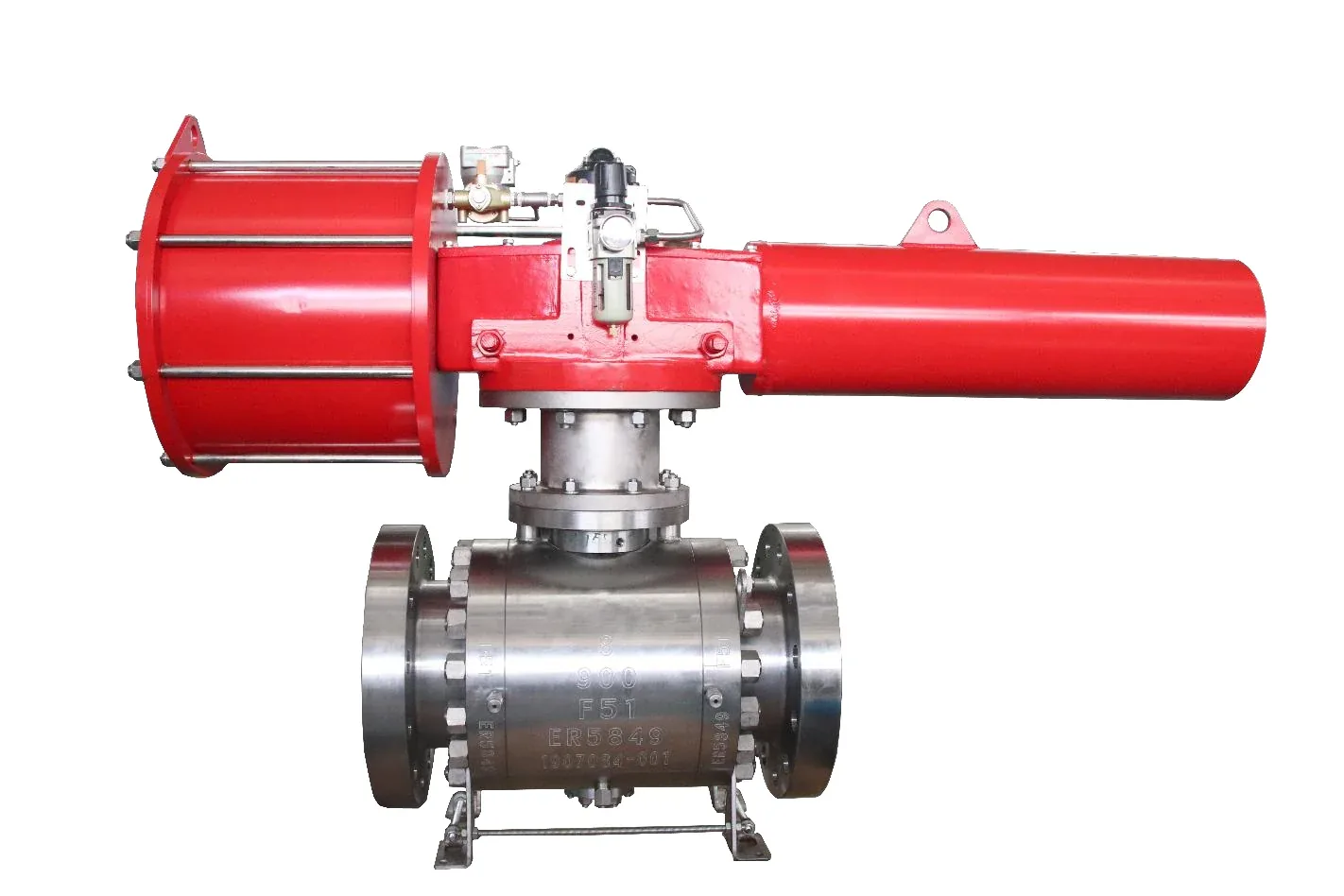
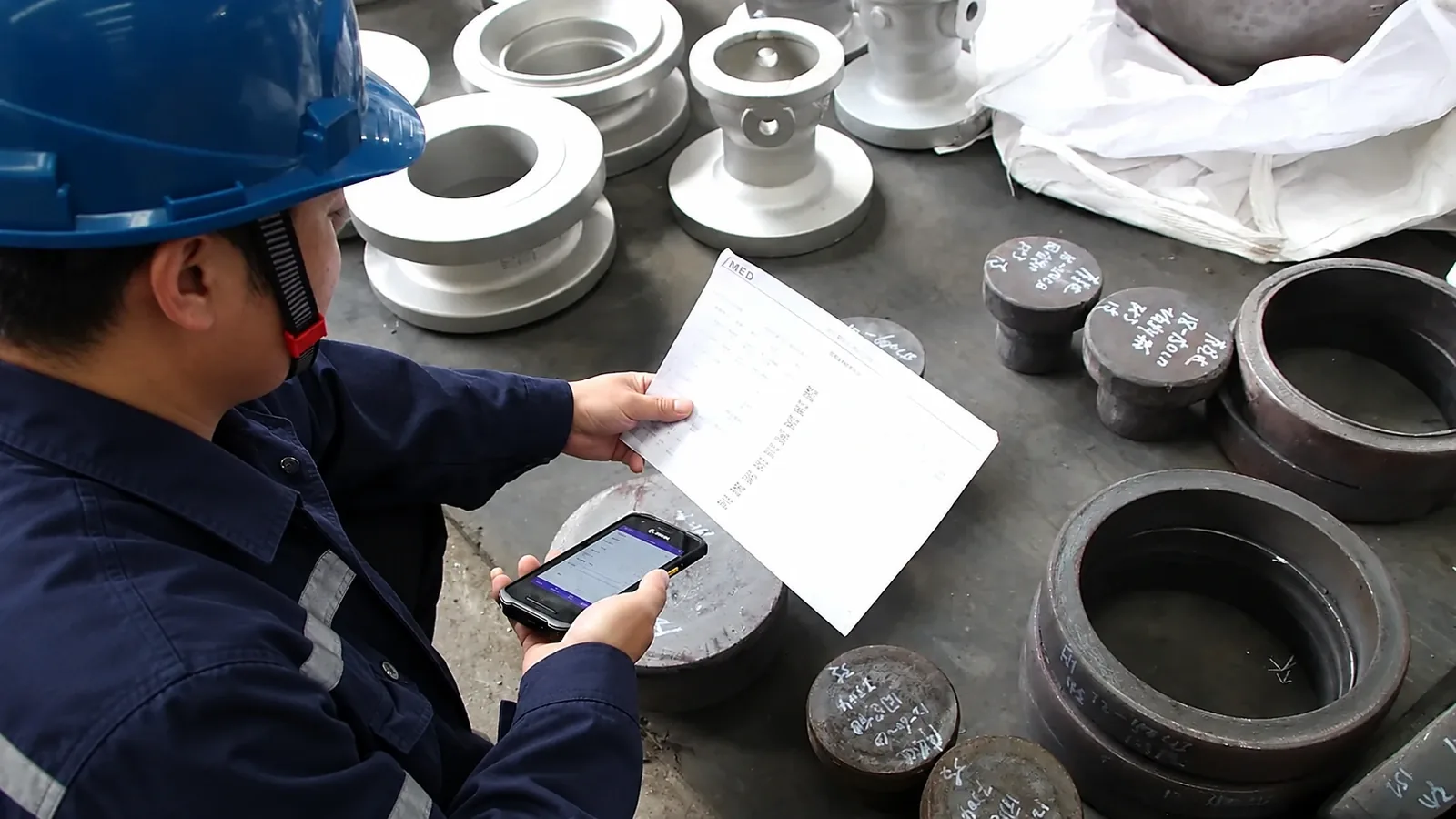
FACTORY EVIDENCE · 100% REAL WORKSHOP
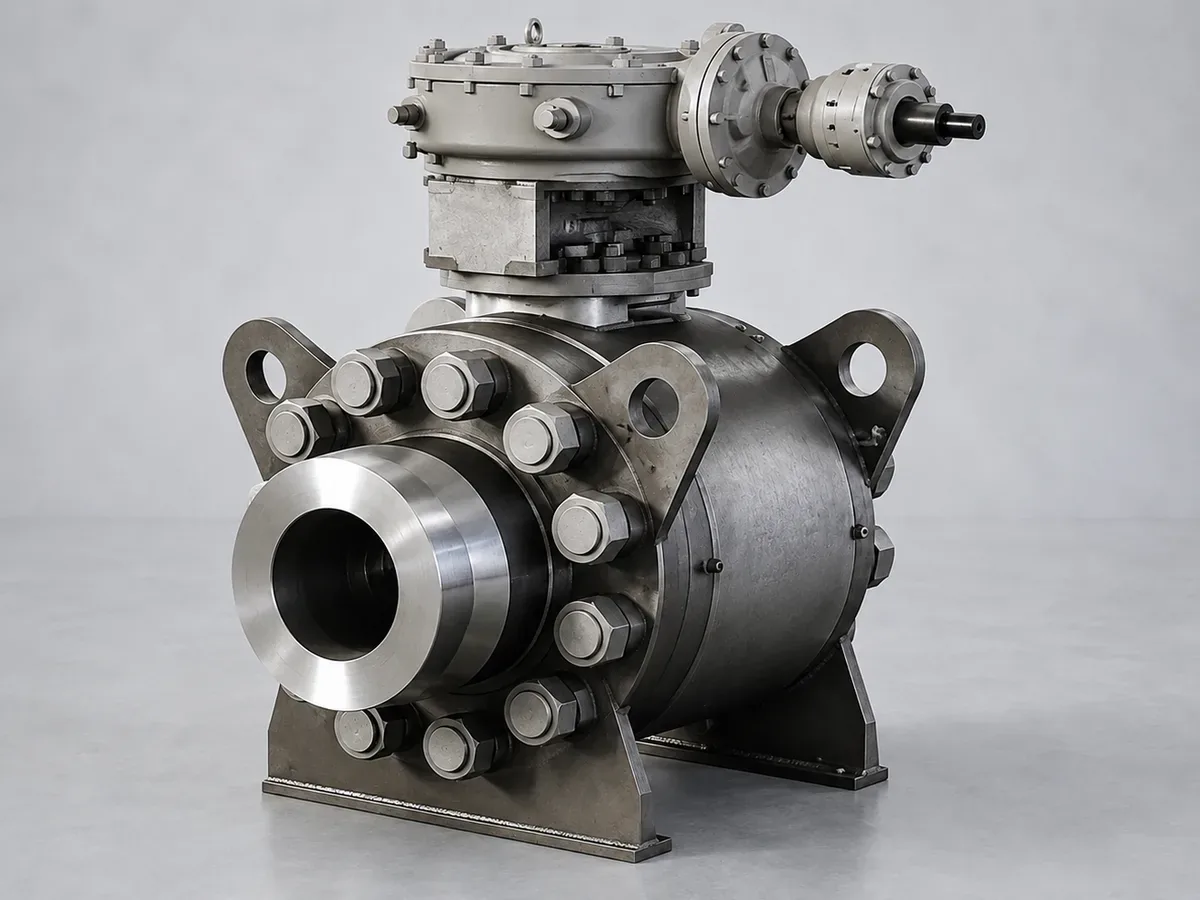
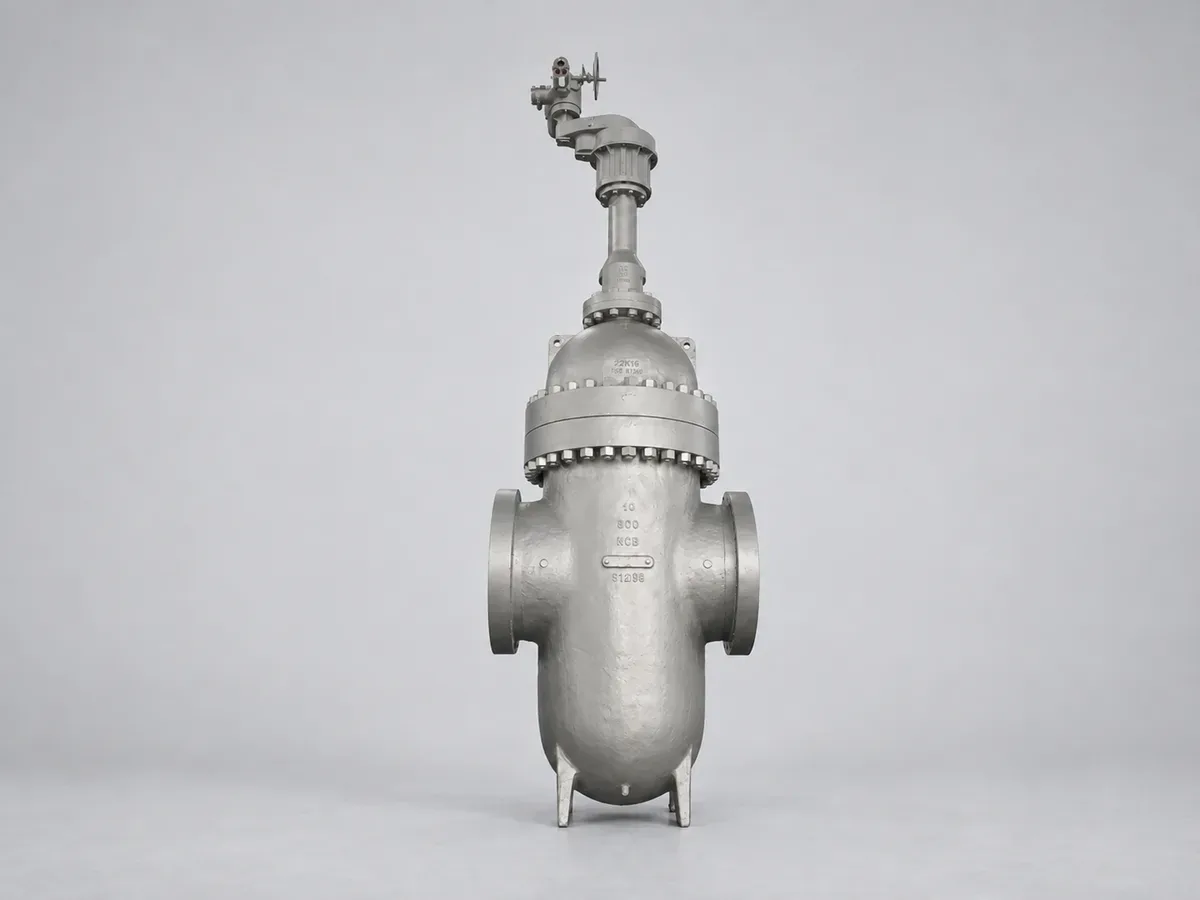
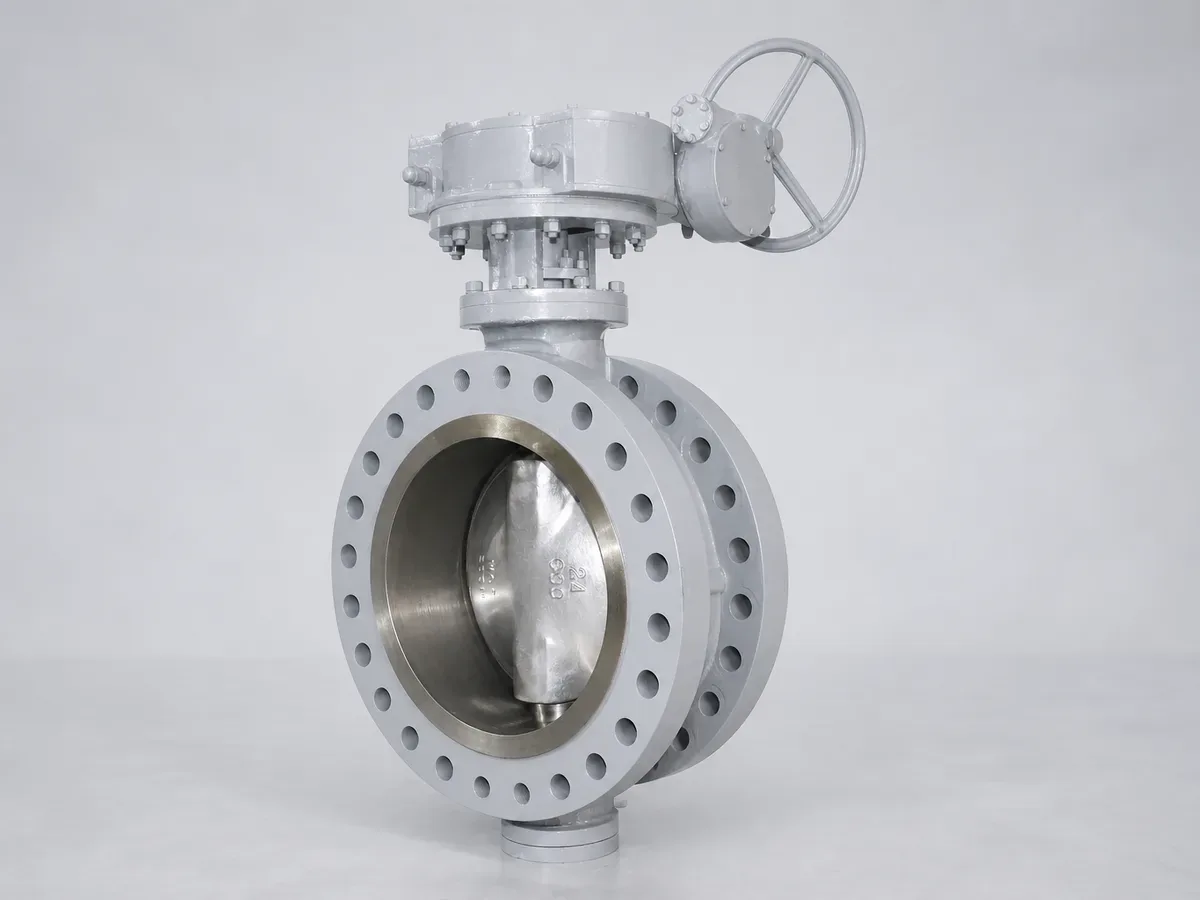
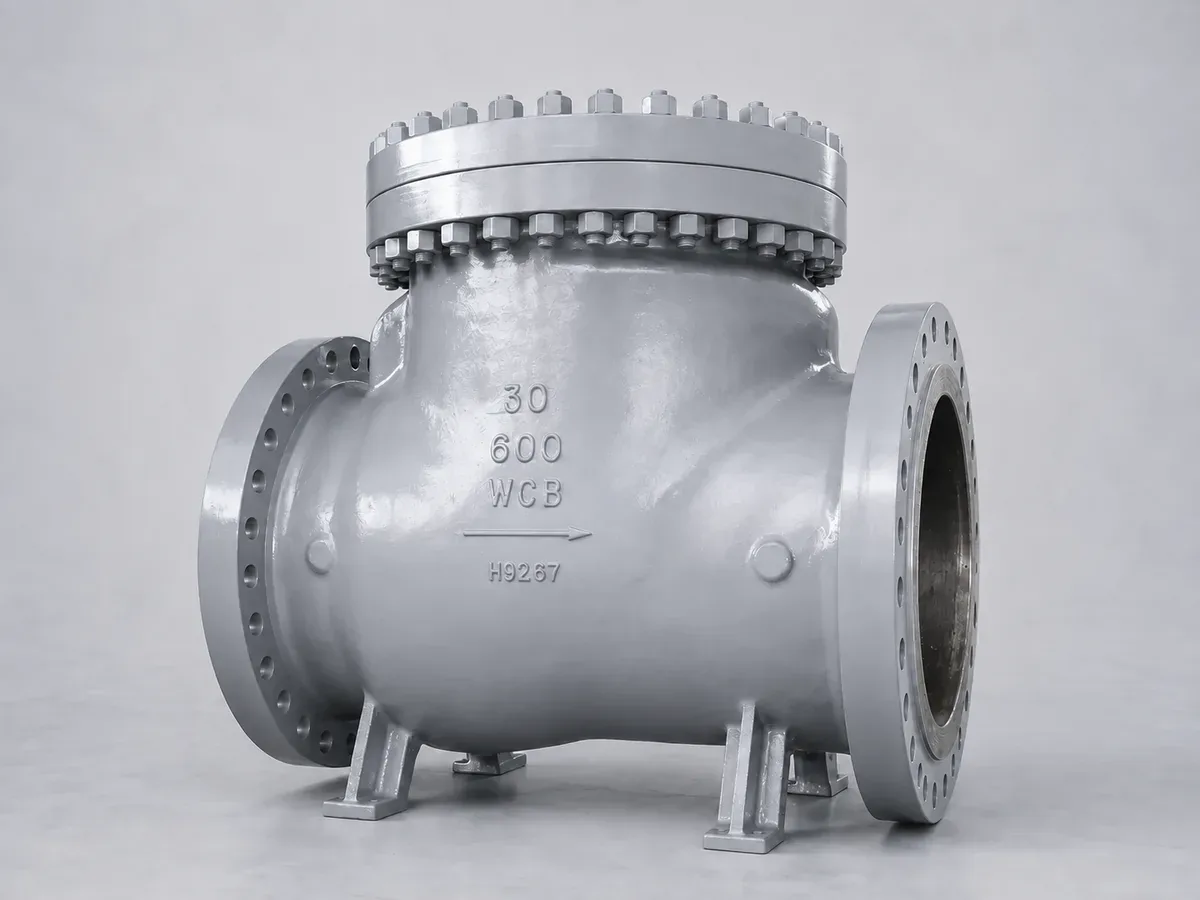
Volatile organic compounds (VOCs) and hazardous air pollutant emissions from industrial valve stem seals account for over 50% of fugitive emissions in chemical refineries and petrochemical plants. Global environmental regulations require compliance with international low-emission qualification standards, primarily ISO 15848-1 and API 641 (for quarter-turn valves) or API 622 / API 624 (for rising-stem valves).
ISO 15848-1 establishes stringent tightness classes measured by helium vacuum or sniffer detection methods. Tightness Class AH defines stem leakage below 10⁻⁶ mg·s⁻¹·m⁻¹ of stem circumference, while Class BH allows up to 10⁻⁴ mg·s⁻¹·m⁻¹. In contrast, API 641 sets a pass/fail threshold of 100 ppmv methane using EPA Method 21 sniffing across 610 mechanical cycles and 3 thermal cycles up to 260°C.
Achieving Class AH tightness requires three precision engineering controls: stem micro-finish machining, live-loaded Belleville disc spring assemblies, and engineered composite packing sets. Valve stems must be ground and burnished to a surface roughness of Ra ≤ 0.2 µm (8 µin) to prevent microscopic tearing of graphite layers. Stuffing box walls must maintain Ra ≤ 1.6 µm with strict concentricity.
The packing set combines die-formed flexible graphite rings (density 1.4–1.6 g/cm³) flanked by braided carbon fiber anti-extrusion rings at the top and bottom. Belleville spring sets compensate for thermal expansion and graphite relaxation over thousands of cycles, maintaining a continuous seating pressure between 28 MPa and 35 MPa. SMD Flow Control validates low-emission designs with factory helium mass spectrometer sniffer testing down to 10⁻⁸ mbar·L/s.
Engineering Q&A
Technical FAQ & Design Criteria
Critical engineering answers referenced against API / ASME / ISO standards.
What is the difference between ISO 15848-1 Class AH and Class BH qualification limits?↓
Class AH is the most rigorous level, mandating stem leak rates ≤ 10⁻⁶ mg·s⁻¹·m⁻¹ using the helium vacuum method, typically required for lethal or high-purity gases. Class BH allows up to 10⁻⁴ mg·s⁻¹·m⁻¹, standard for general petrochemical refinery service.
Why do die-formed graphite packing rings require braided carbon end rings?↓
Die-formed pure flexible graphite rings provide outstanding sealing and fire-resistance but can extrude into stem clearances under high pressure. Braided high-modulus carbon fiber wiper rings at the top and bottom contain the graphite and prevent extrusion.
What stem surface finish is required for compliance with API 641 low-emission standards?↓
Stems must be precision-machined and polished to a surface finish of Ra 0.2 µm (8 µin) or better with a cylindrical runout tolerance within class h8/h9, minimizing abrasive wear against the packing material during cycle rotation.
Tags:#无组织排放#ISO 15848-1#API 641#活载填料#低排放
Share This Engineering Guide
Pass this technical specification and valve standard breakdown to your project procurement and piping design colleagues.
阀门逸散排放控制:ISO 15848-1 AH/BH 级与 API 641
Official engineering resource by SMD Flow Control