Material selection starts with complete service data. The fluid name alone is not enough; concentration, contaminants, water content, pH, velocity, pressure, temperature and operating transients can change the corrosion mechanism and the suitability of a material.
Evaluate the full pressure boundary and all wetted components. Body material, trim, stem, fasteners, seat carrier, soft seals, packing and gaskets may require different materials. Carbon and stainless steels cover many duties, while duplex grades and selected nickel alloys may be considered for chloride, sour or highly corrosive environments.
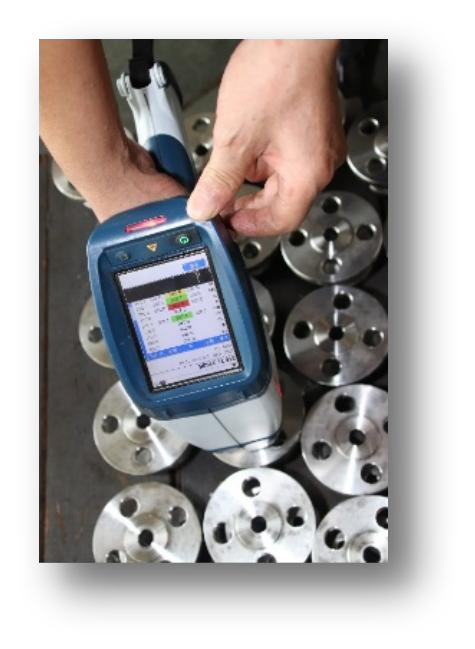
Compatibility must be balanced with manufacturability, welding, heat treatment, galling, erosion, hardness restrictions and availability. A project may also require PMI, impact testing, corrosion testing, ferrite control or additional material certificates.
The final material schedule should be tied to the approved valve data sheet and bill of materials. Any substitution or deviation should be reviewed before production and recorded in the project file.
Apply the guide to your valve requirement
Submit the operating conditions, construction, standards and required project documents for a specification-based review.
Submit RFQ