A valve RFQ is most effective when it defines the service before it defines the commercial target. Start with the medium and composition, normal and design pressure, normal and design temperature, flow direction, cycling frequency, installation orientation and any corrosion, abrasion, solids or flashing concerns.
Define the valve construction and interfaces next: valve type, nominal size, pressure class, bore, end connection, face-to-face requirement, body and trim materials, seat and sealing system, stem arrangement, operator or actuator, accessories and fail position. If an existing drawing or data sheet governs the interface, attach it and identify the revision.
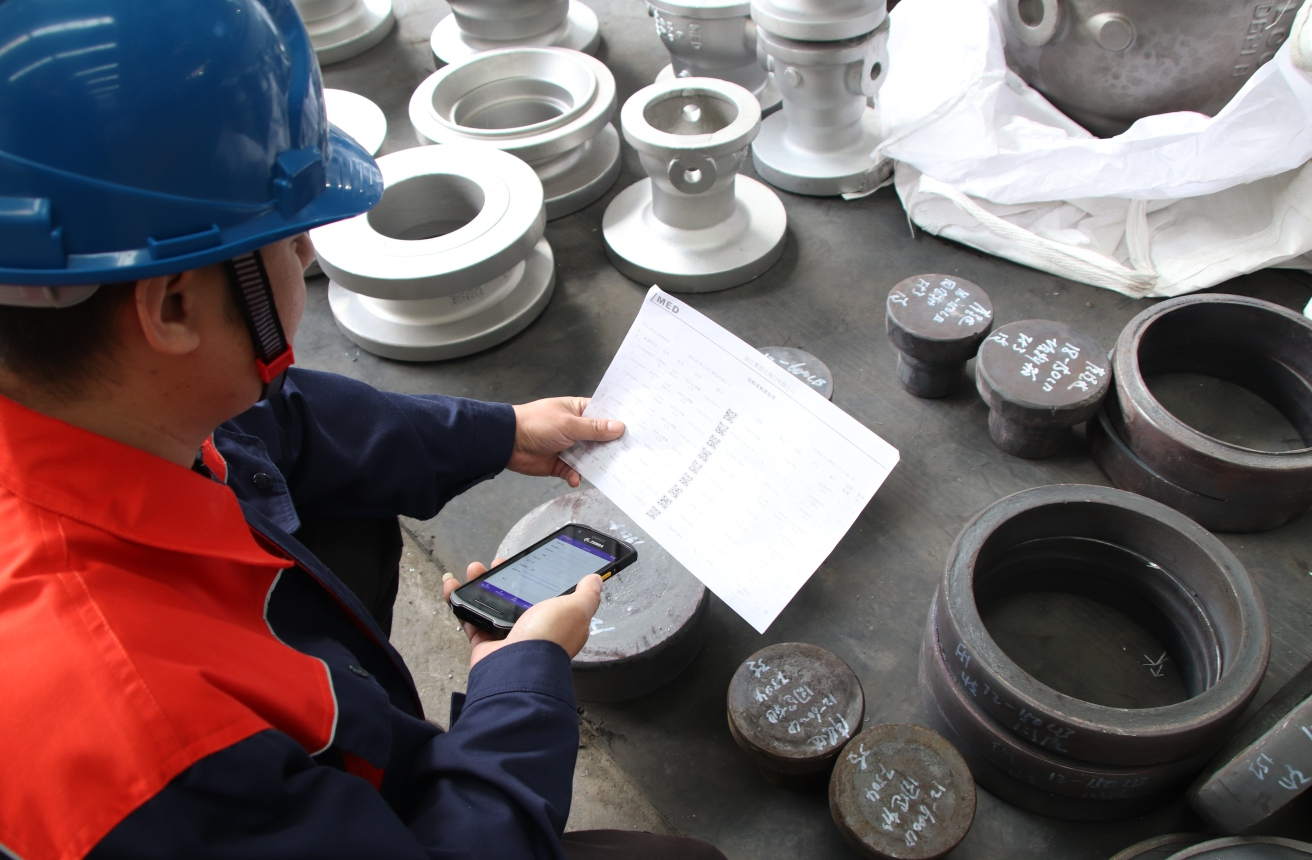
The RFQ should state the applicable product standard, project specification and edition. Inspection requirements also need to be explicit: ITP, hold and witness points, PMI, dimensional checks, NDT, pressure and leakage tests, coating inspection and third-party involvement.
Finally, list the documents required at quotation, approval and release stages. Typical items include drawings, data sheets, material certificates, inspection records, NDT reports, pressure-test reports, marking records and the manufacturing record package index. A complete RFQ reduces assumptions, clarification cycles and late changes.
Apply the guide to your valve requirement
Submit the operating conditions, construction, standards and required project documents for a specification-based review.
Submit RFQ