✓SMD فريق هندسة التحكم في التدفق
•Published: 2026-08-08•⏱ 9 دقائق قراءة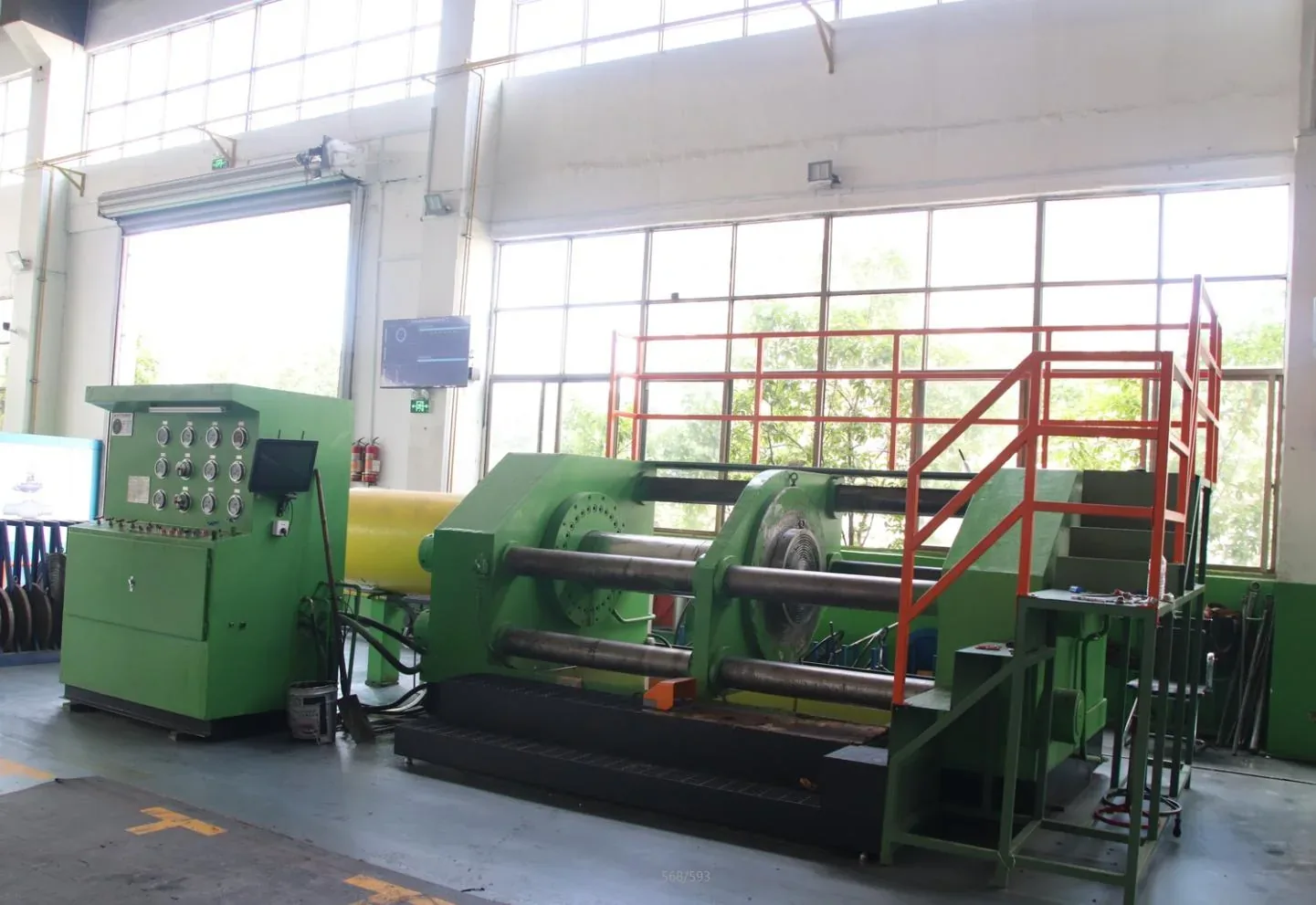
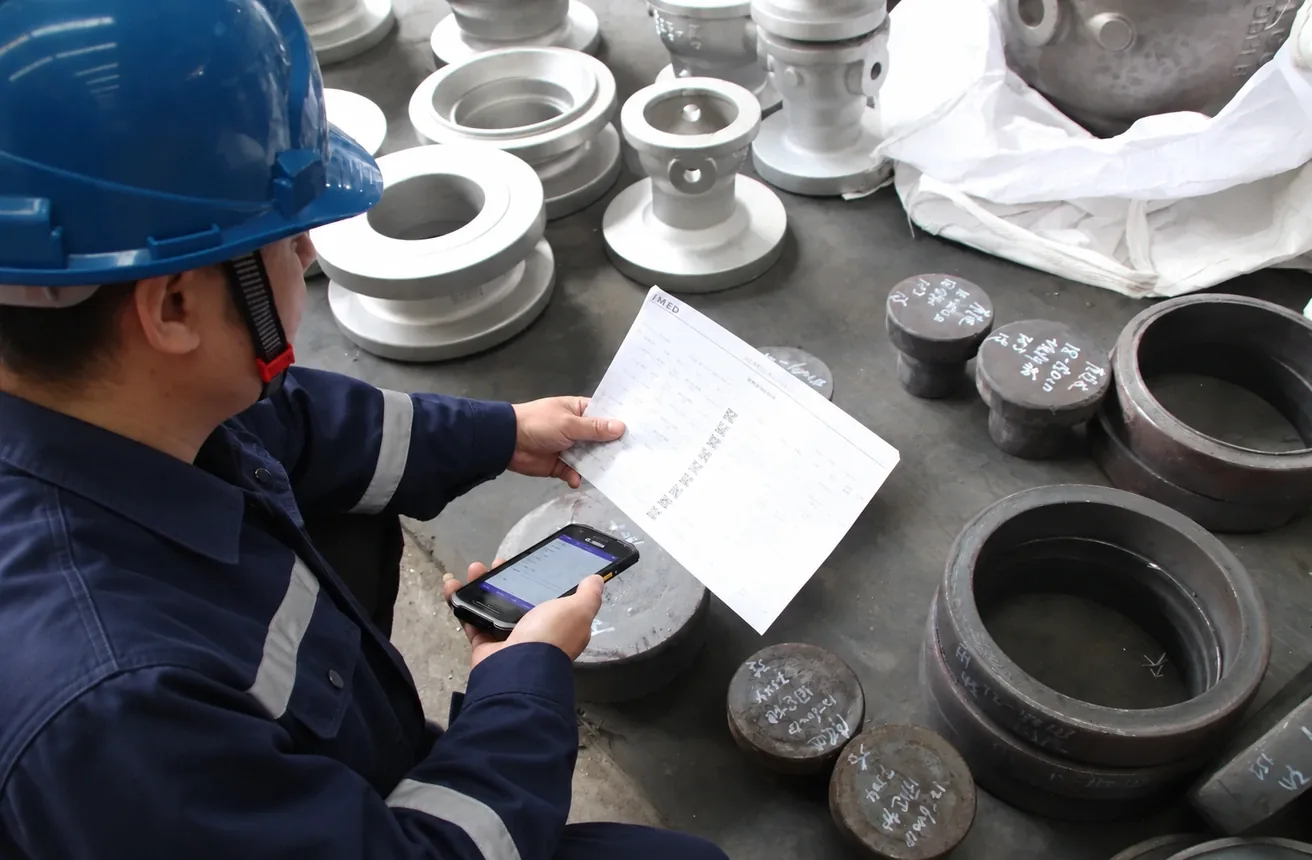
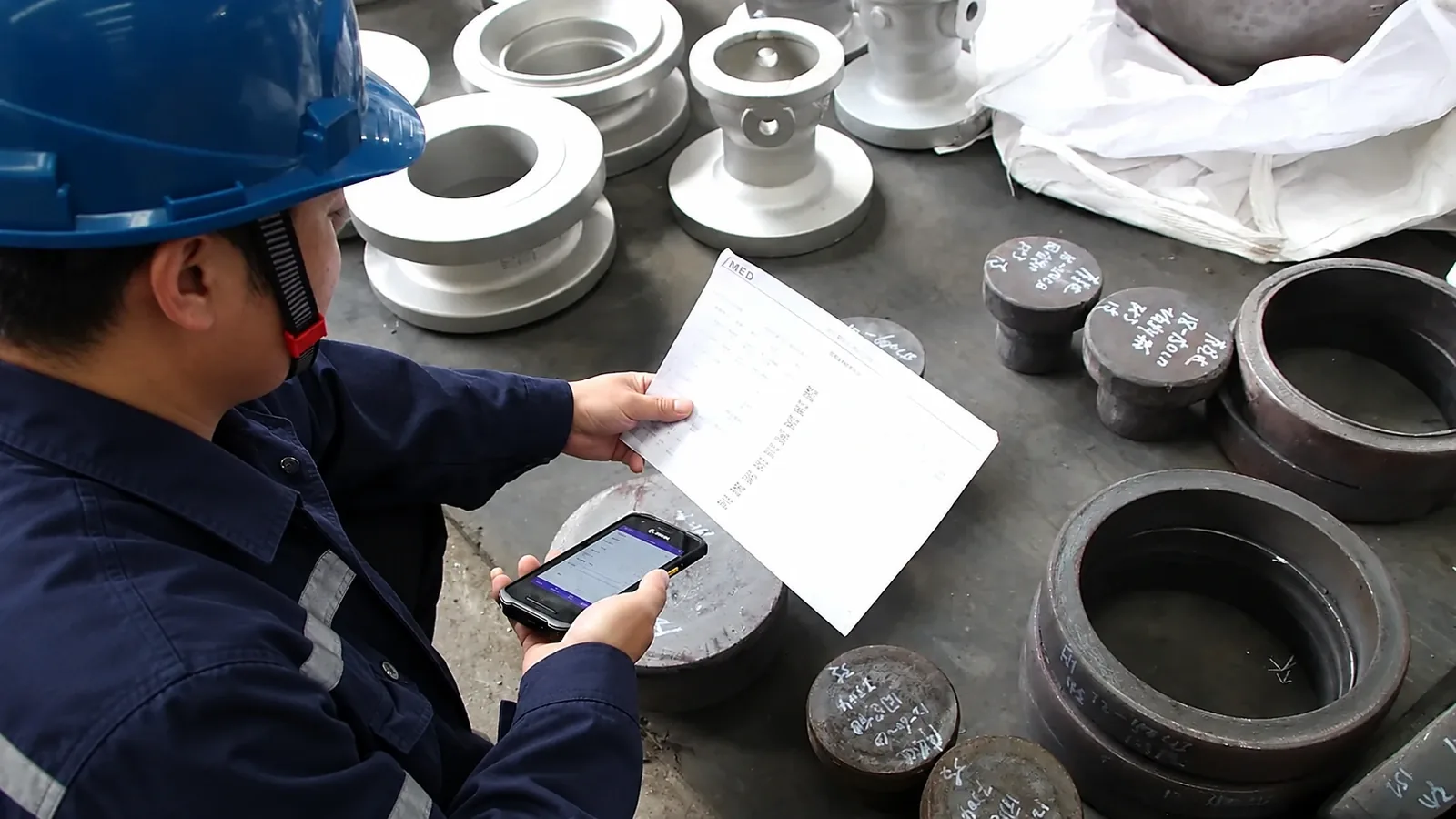
FACTORY EVIDENCE · 100% REAL WORKSHOP
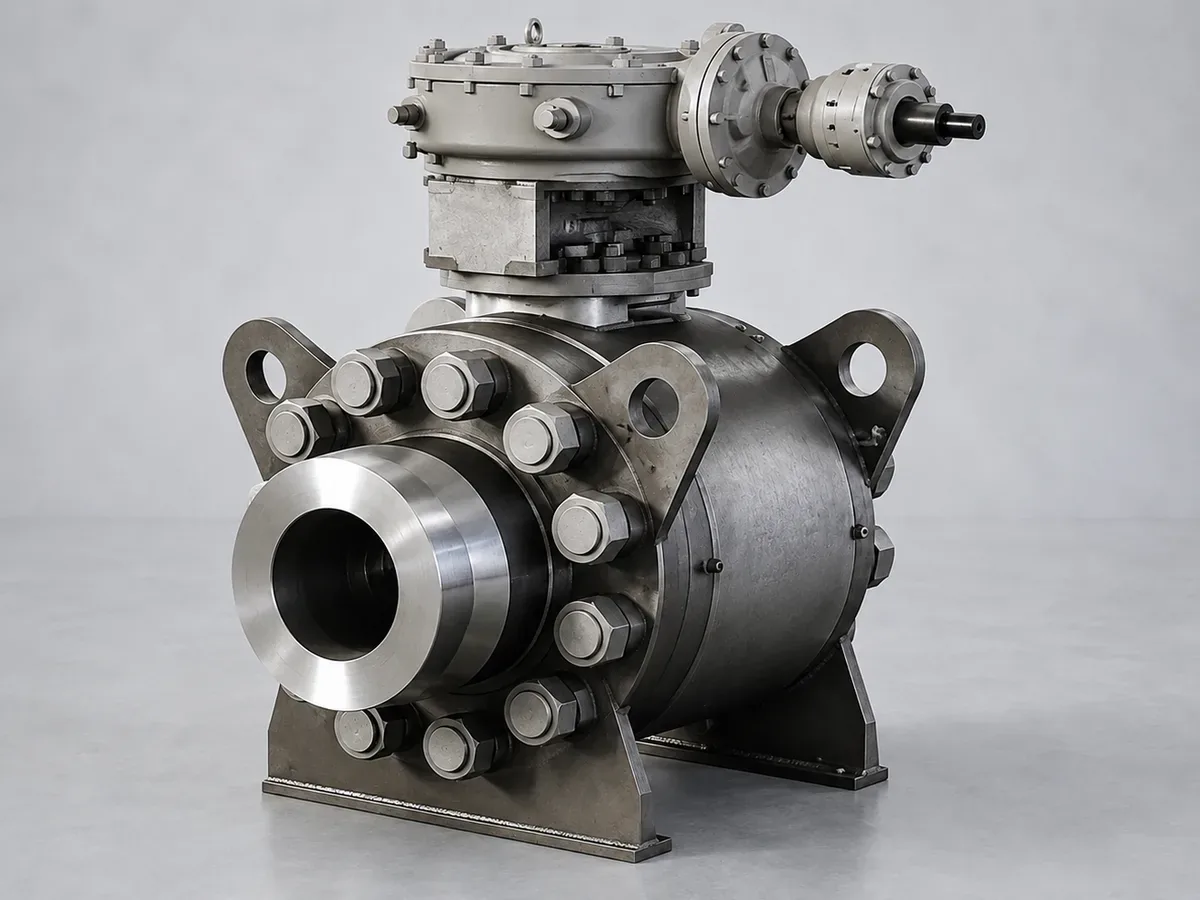
Designing and sizing valves for cryogenic temperatures down to -196°C (77 K) for liquefied natural gas (LNG), liquid nitrogen, liquid oxygen, and liquid ethylene presents severe mechanical challenges. At sub-zero temperatures, austenitic stainless steels (such as ASTM A351 CF8M or forged A182 F316) undergo thermal shrinkage, while fluoropolymer seat materials like PCTFE (Kel-F) contract at a coefficient of thermal expansion nearly 5 times higher than the steel pressure boundary.
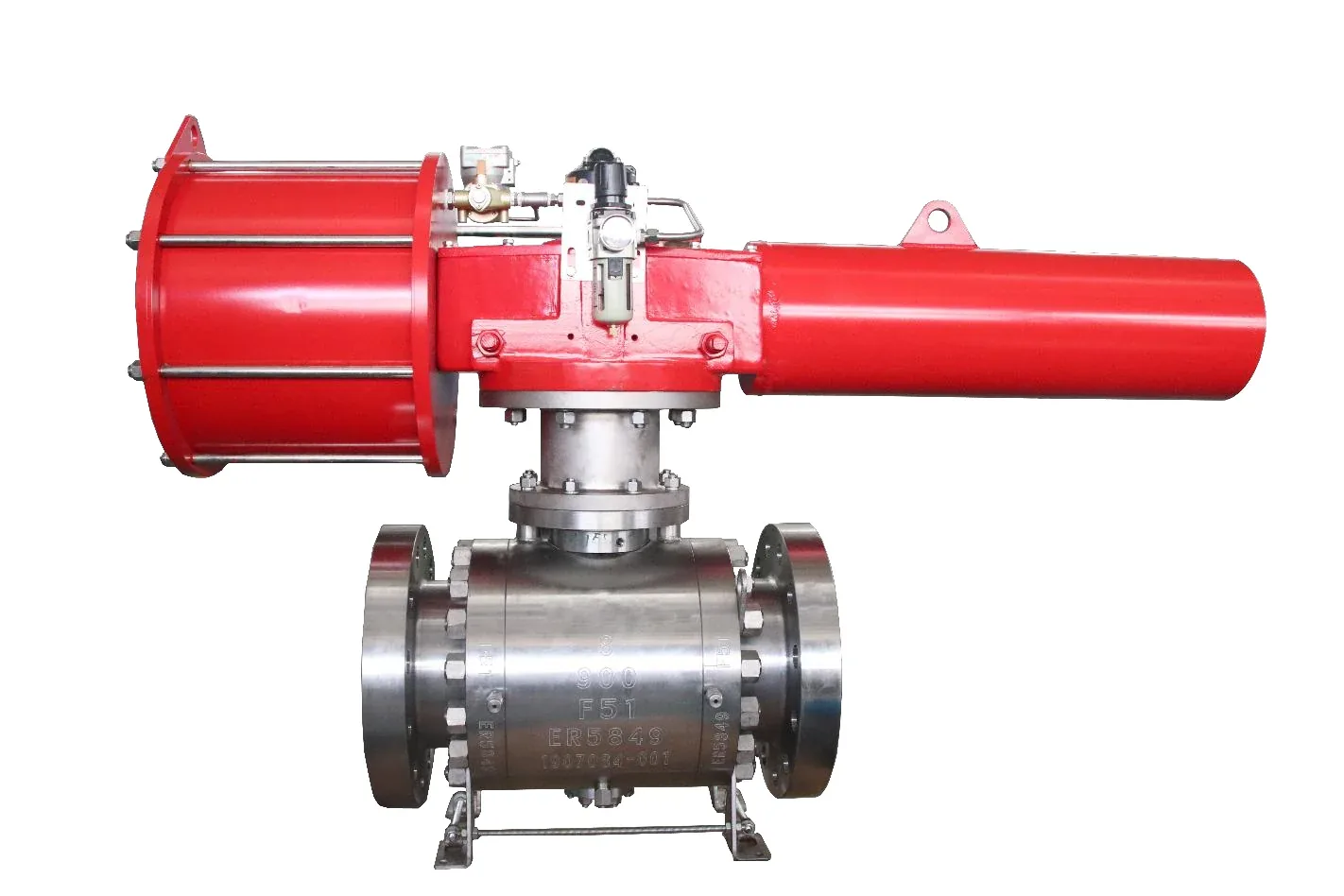
This differential thermal contraction significantly increases seat contact stress and stem packing friction. Consequently, the breakaway torque of a cryogenic ball valve at -196°C increases by 180% to 250% compared to its room-temperature baseline. Sizing pneumatic or electric actuators with a standard ambient safety margin of 1.3x will lead to emergency trip failures or incomplete valve closure during cold operation. Engineering specifications must mandate an actuator sizing safety factor of at least 2.0x to 2.5x based on validated cryogenic torque data.
BS 6364 and ISO 28921-1 mandate extended bonnets (vapor columns) for cryogenic valves. The gas column traps vaporized process fluid, establishing a thermal gradient that keeps the stem packing and live-loaded gland assembly above 0°C, preventing packing freeze-up and catastrophic atmospheric fugitive emissions. For standard LNG duty, bonnet extension lengths range from 250 mm for 2" valves up to 450 mm for 16" valves.
A critical safety requirement in cryogenic ball valves is cavity overpressure protection. When a closed valve traps cryogenic liquid inside the body cavity, heat absorption from ambient surroundings causes rapid liquid-to-gas phase expansion. Trapped LNG expanding into vapor can generate internal body pressures exceeding 300 bar, risking casting rupture. SMD Flow Control machines an internal pressure relief hole (3 mm to 5 mm) on the upstream side of the ball, venting cavity pressure safely back into the process line.
Engineering Q&A
Technical FAQ & Design Criteria
Critical engineering answers referenced against API / ASME / ISO standards.
Why is a standard 1.3x actuator safety factor insufficient for cryogenic ball valves?↓
At -196°C, polymer seat materials (such as PCTFE) contract at a significantly higher rate than the metallic ball and body, causing increased compressive preloading and stem packing stiffness. Cold breakaway torque increases by 1.8x to 2.5x, requiring a 2.0x–2.5x sizing safety factor.
What is the standard BS 6364 extended bonnet length requirement for cryogenic service?↓
BS 6364 specifies extension lengths based on nominal pipe size and operating temperature: typically 250 mm for valves ≤ DN50 (2"), 350 mm for DN80–DN150 (3"–6"), and 450 mm for DN200+ (8"+) to maintain the stem packing gland above 0°C.
How is body cavity overpressurization prevented in cryogenic ball valves?↓
An internal pressure equalization hole (3 mm–5 mm) is drilled into the upstream side of the ball, ensuring any liquid that expands into vapor in the body cavity is automatically vented into the upstream pipeline, preventing overpressure rupture.
Tags:#المبردة#صمام الكرة#الغاز الطبيعي المسال#بي اس 6364#تحجيم عزم الدوران
Share This Engineering Guide
Pass this technical specification and valve standard breakdown to your project procurement and piping design colleagues.
تحديد حجم عزم دوران الصمام الكروي المبرد وعوامل السلامة عند -196 درجة مئوية
Official engineering resource by SMD Flow Control