✓مختبر مواد التحكم في التدفق SMD
•Published: 2026-07-22•⏱ 9 دقائق قراءة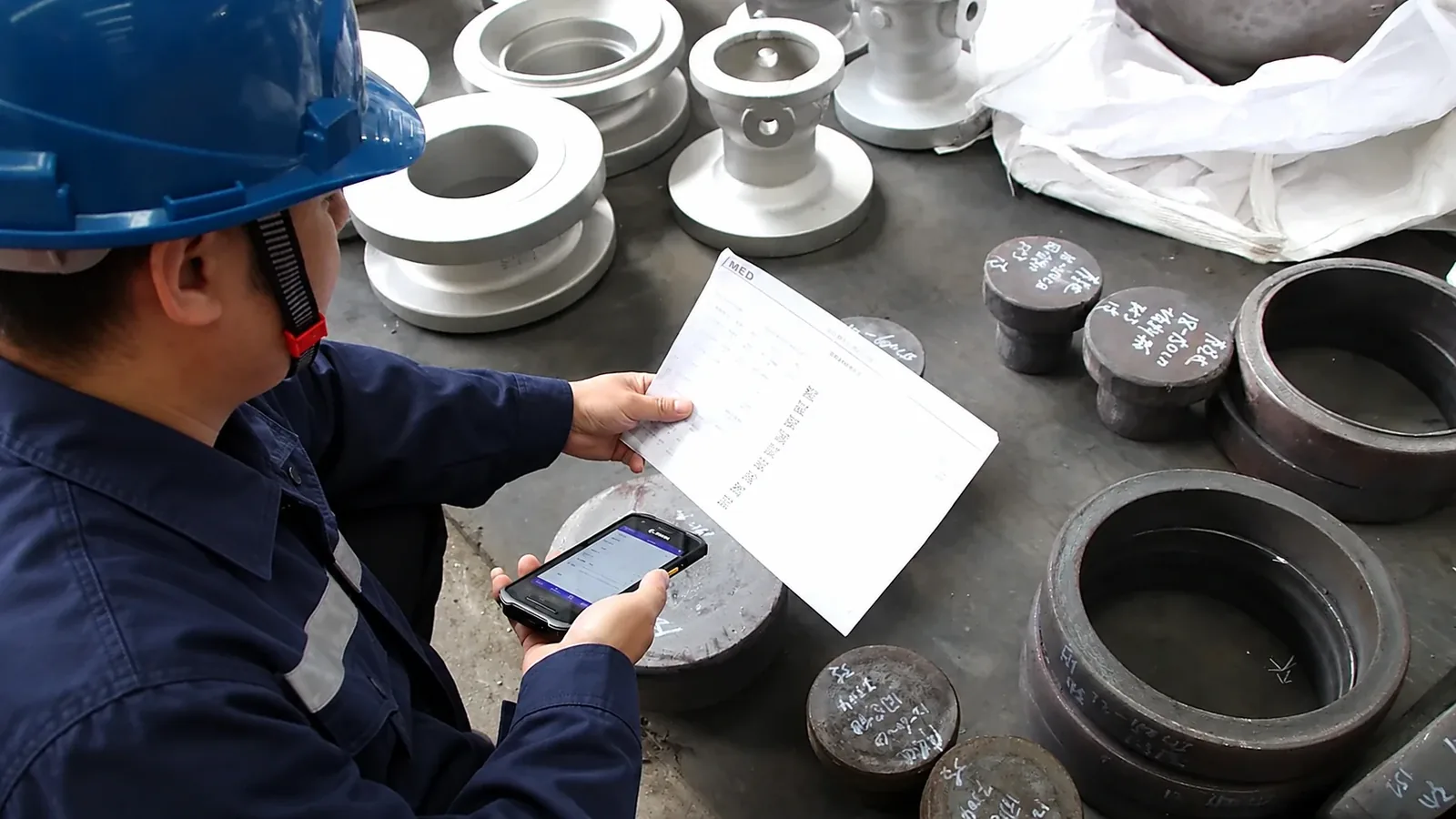
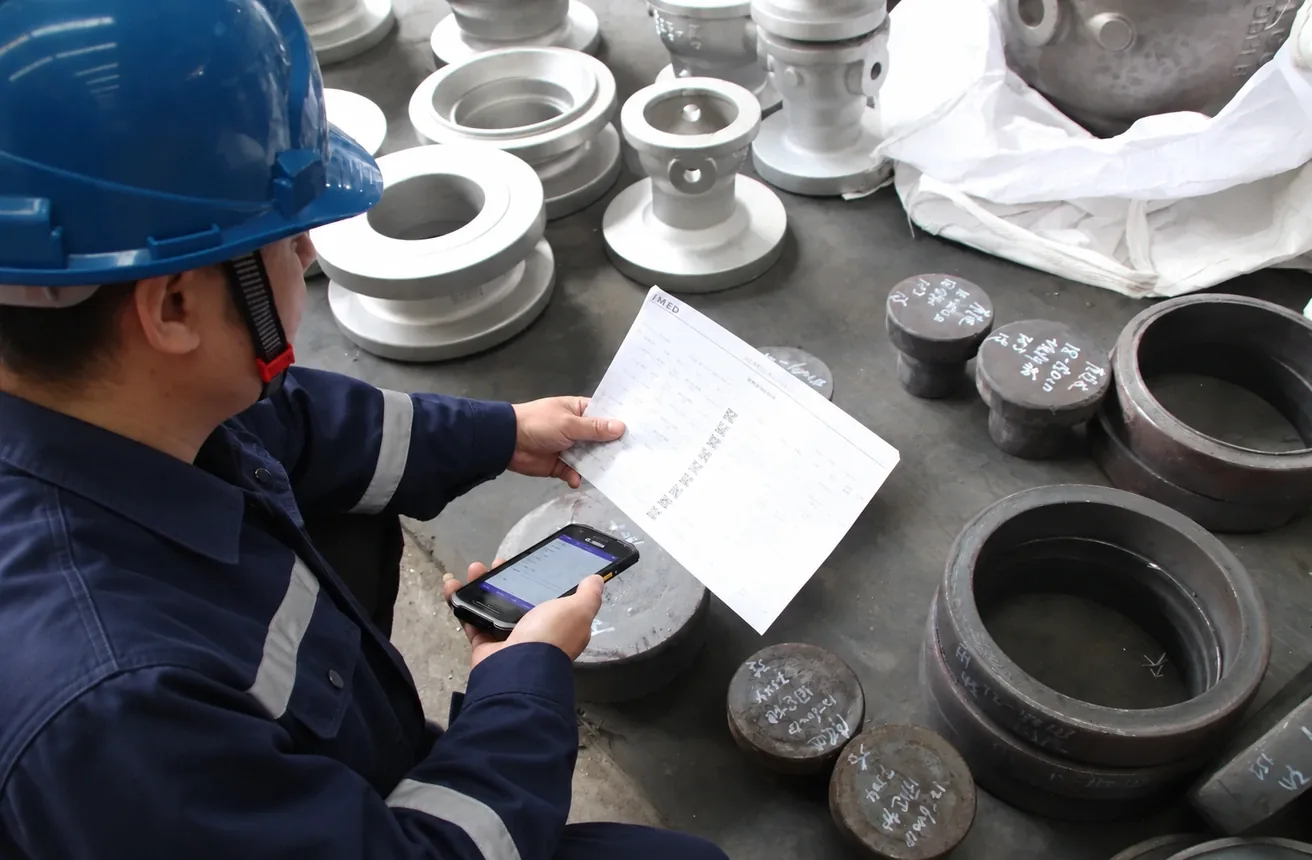
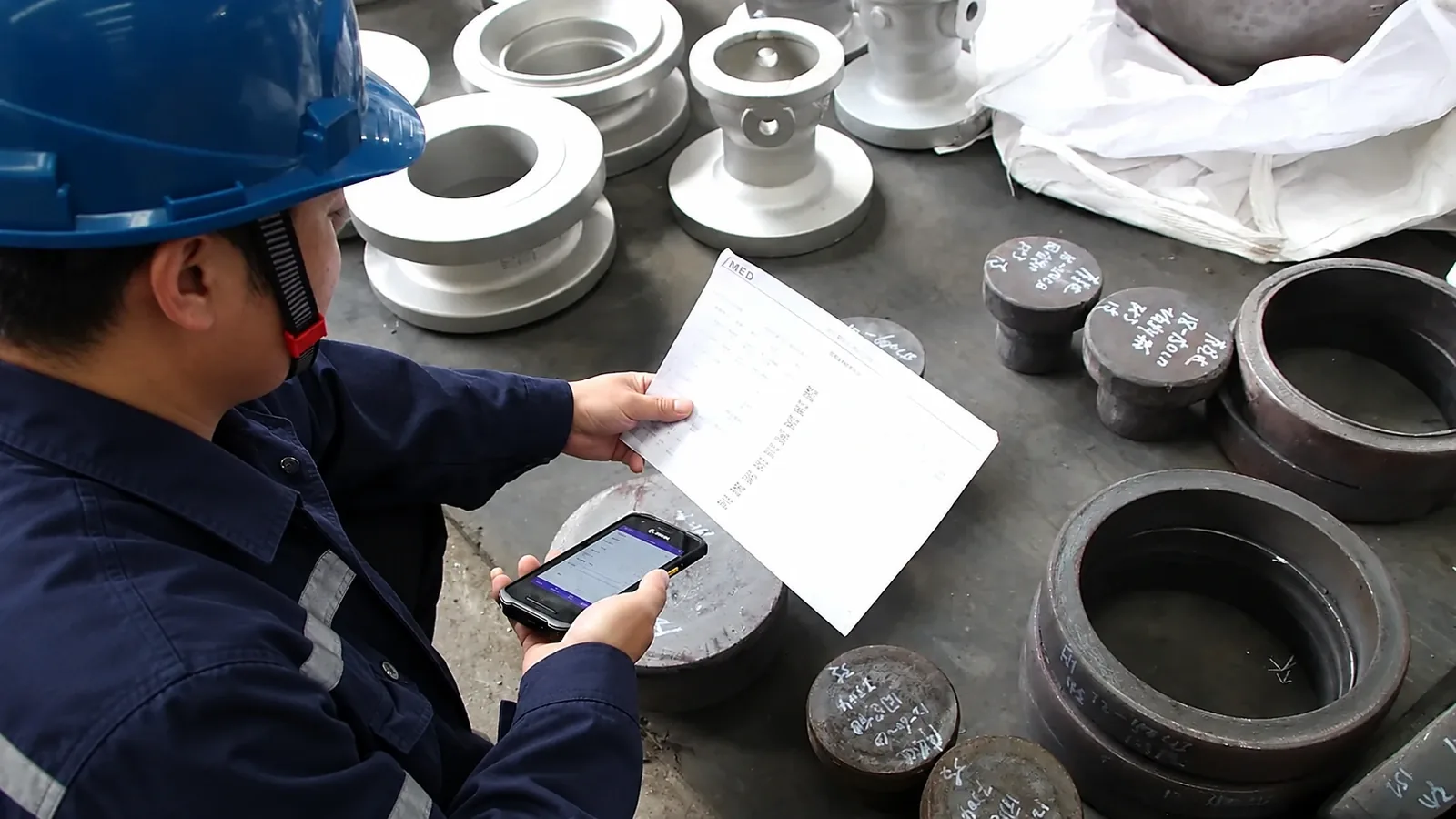
FACTORY EVIDENCE · 100% REAL WORKSHOP
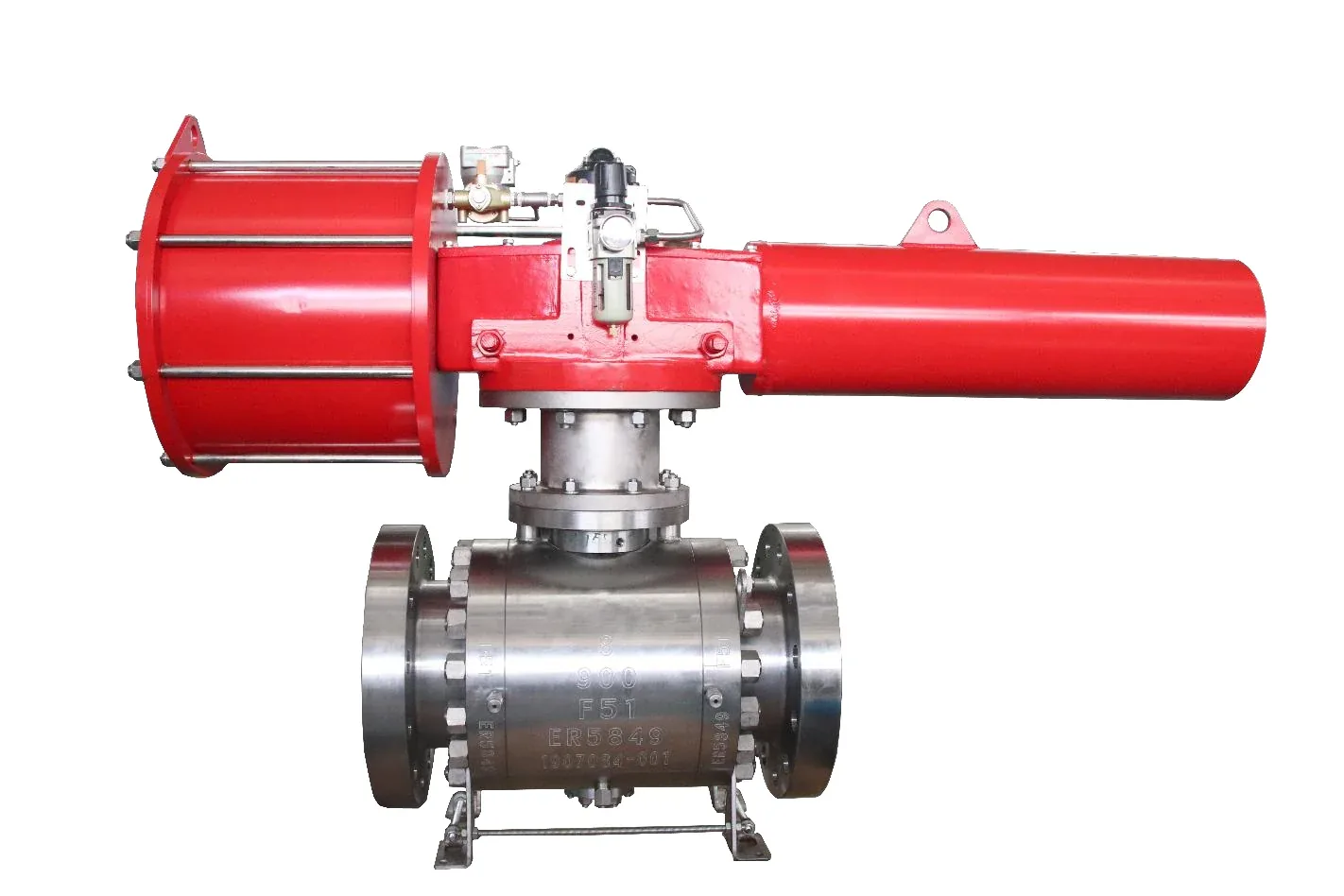
When handling high-chloride seawater, hot sulfuric acid, wet chlorine gas, or sour hydrocarbons containing wet H2S and CO2, standard austenitic stainless steels (such as ASTM A351 CF8M / 316SS) suffer rapid failure from localized pitting, crevice corrosion, or chloride stress corrosion cracking (CSCC). Proper material selection requires matching the corrosive electrolyte chemistry to verified alloy metallurgy.
The primary ranking tool for chloride resistance is the Pitting Resistance Equivalent Number (PREN = %Cr + 3.3%Mo + 16%N). Standard 316L has a PREN of approximately 25 and is prone to pitting in aerated seawater above 25°C. Duplex 2205 (ASTM A995 4A / CD3MN, PREN 34–36) provides cost-effective resistance for moderate brackish water. For high-temperature offshore platforms and reverse osmosis desalination plants, Super Duplex 2507 (ASTM A995 5A / CE3MN, PREN ≥ 42) provides superior yield strength (≥ 550 MPa) and resists pitting up to 60°C in high-salinity brines.
For extreme chemical processing involving boiling hydrochloric, nitric, or hydrofluoric acid, nickel-based superalloys and reactive metals are essential. Hastelloy C276 (ASTM B574 / CW12MW, 57% Ni, 16% Mo, 16% Cr, 4% W) offers outstanding resistance to localized pitting and wet chlorine gas. Titanium Grade 2 / Grade 5 (ASTM B367 C2 / C5) provides absolute immunity to seawater corrosion across all temperatures due to its self-healing titanium dioxide (TiO2) passive layer.
SMD Flow Control validates all alloy castings with Positive Material Identification (PMI) using X-ray fluorescence (XRF) and optical emission spectrometry (OES). Duplex and super duplex castings undergo ASTM G48 Method A ferric chloride pitting testing at 50°C and microstructural ferrite phase balance verification (35% to 55% ferrite) per ASTM E562.
Engineering Q&A
Technical FAQ & Design Criteria
Critical engineering answers referenced against API / ASME / ISO standards.
When is Super Duplex 2507 preferred over Hastelloy C276 in seawater desalination systems?↓
Super Duplex 2507 (PREN ≥ 42) offers twice the mechanical yield strength of standard austenitic alloys at a fraction of the raw material cost of nickel-based Hastelloy C276, making it the industry standard for high-pressure seawater reverse osmosis piping.
What is the critical temperature limitation for Duplex and Super Duplex stainless steel valves?↓
Duplex and super duplex valves are limited to an operating temperature range of -46°C to +260°C (or 300°C maximum for brief excursions). Extended exposure above 300°C causes 475°C spinodal decomposition embrittlement and rapid loss of impact toughness.
How is ferrite content verified in cast Super Duplex ASTM A995 5A valve bodies?↓
Ferrite content is verified on actual casting test lugs using magnetic Ferritoscope meters and metallurgical cross-section point counting per ASTM E562, ensuring a balanced 35%–55% ferrite-austenite ratio for optimum corrosion and mechanical properties.
Tags:#سبيكة خاصة#سوبر دوبلكس#هاستيلوي C276#التيتانيوم#برين#أستم A995
Share This Engineering Guide
Pass this technical specification and valve standard breakdown to your project procurement and piping design colleagues.
دليل اختيار السبائك الخاصة: Hastelloy C276، وSuper Dual 2507، وTitanium Gr.2
Official engineering resource by SMD Flow Control