✓BARON
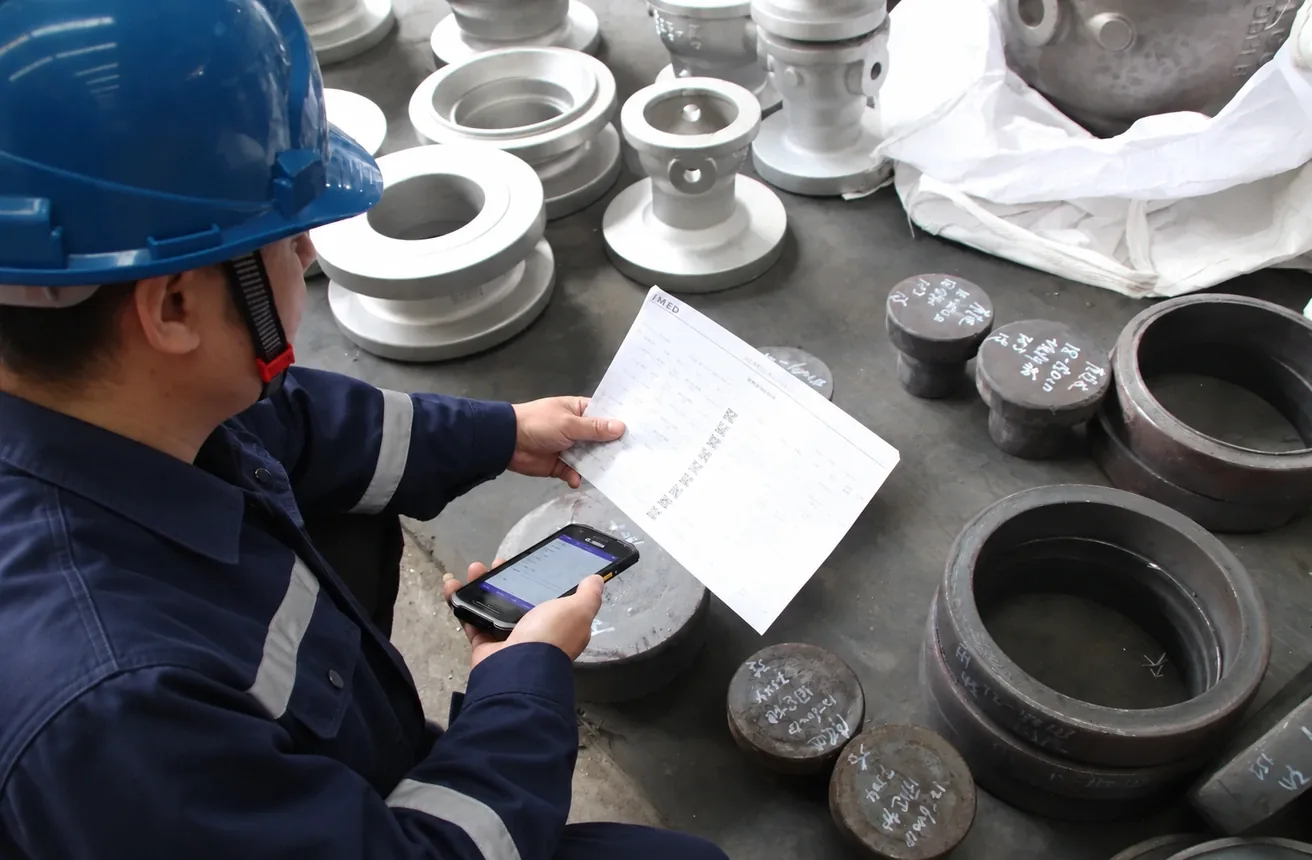
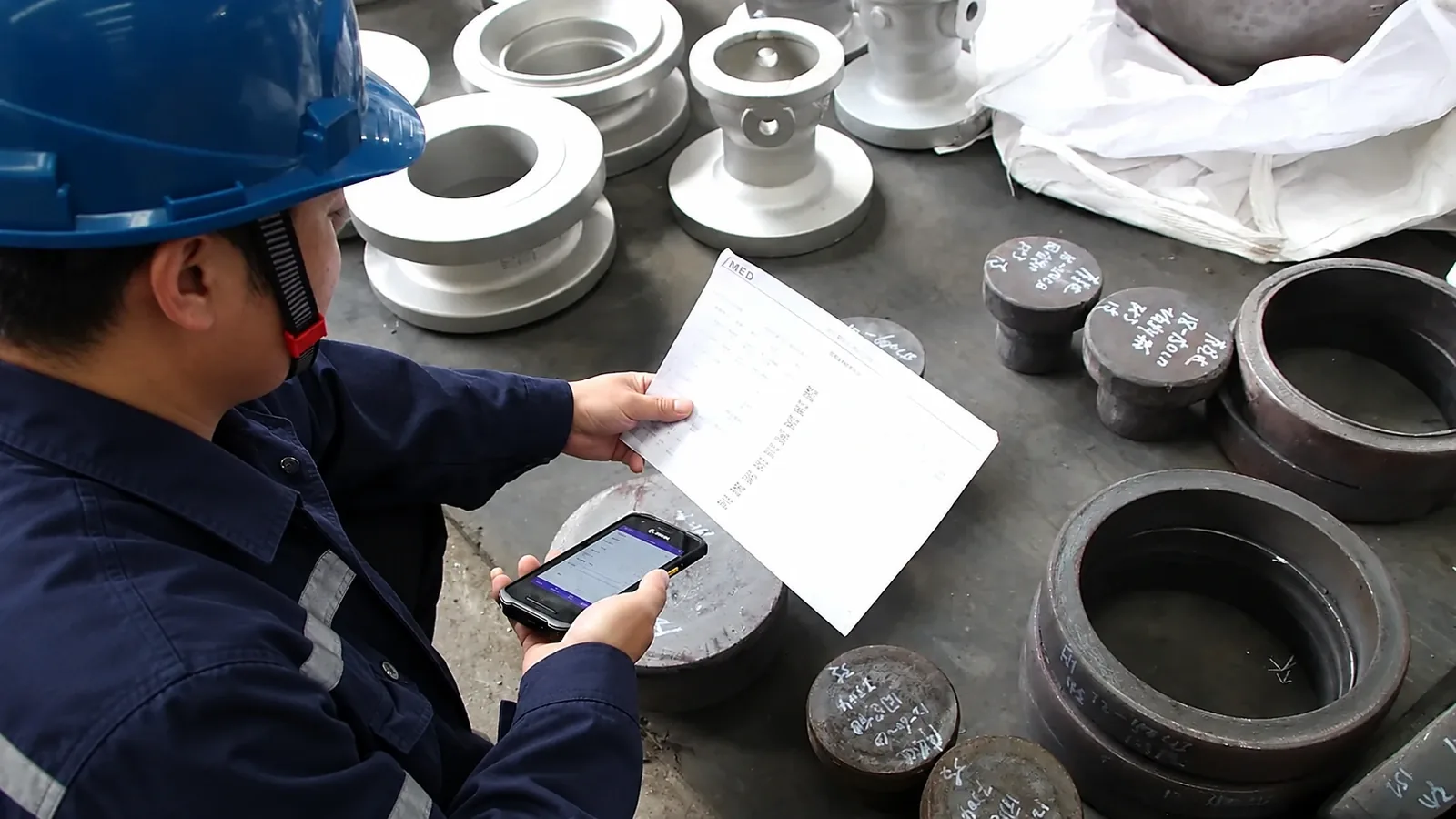
•Published: 2026-10-04•⏱ 6 min readFACTORY EVIDENCE · 100% REAL WORKSHOP
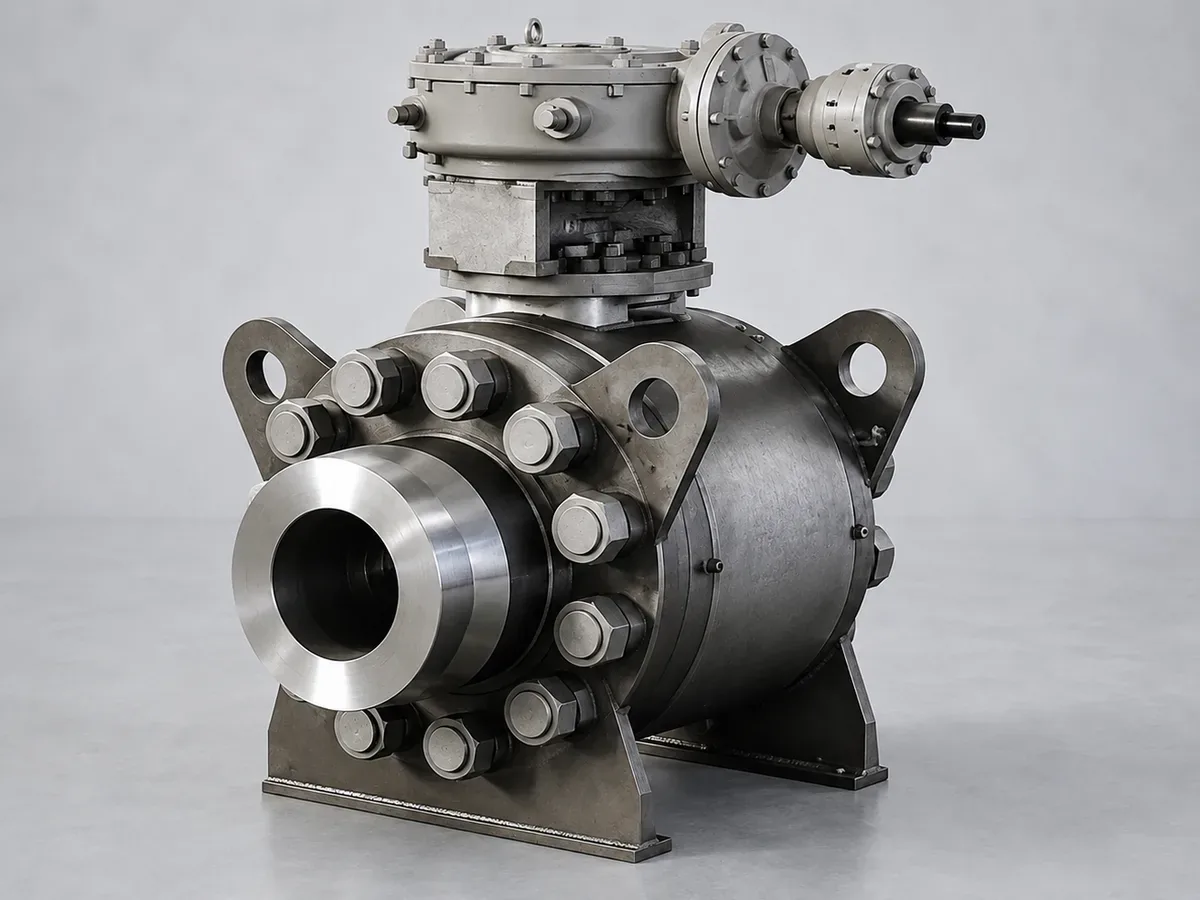
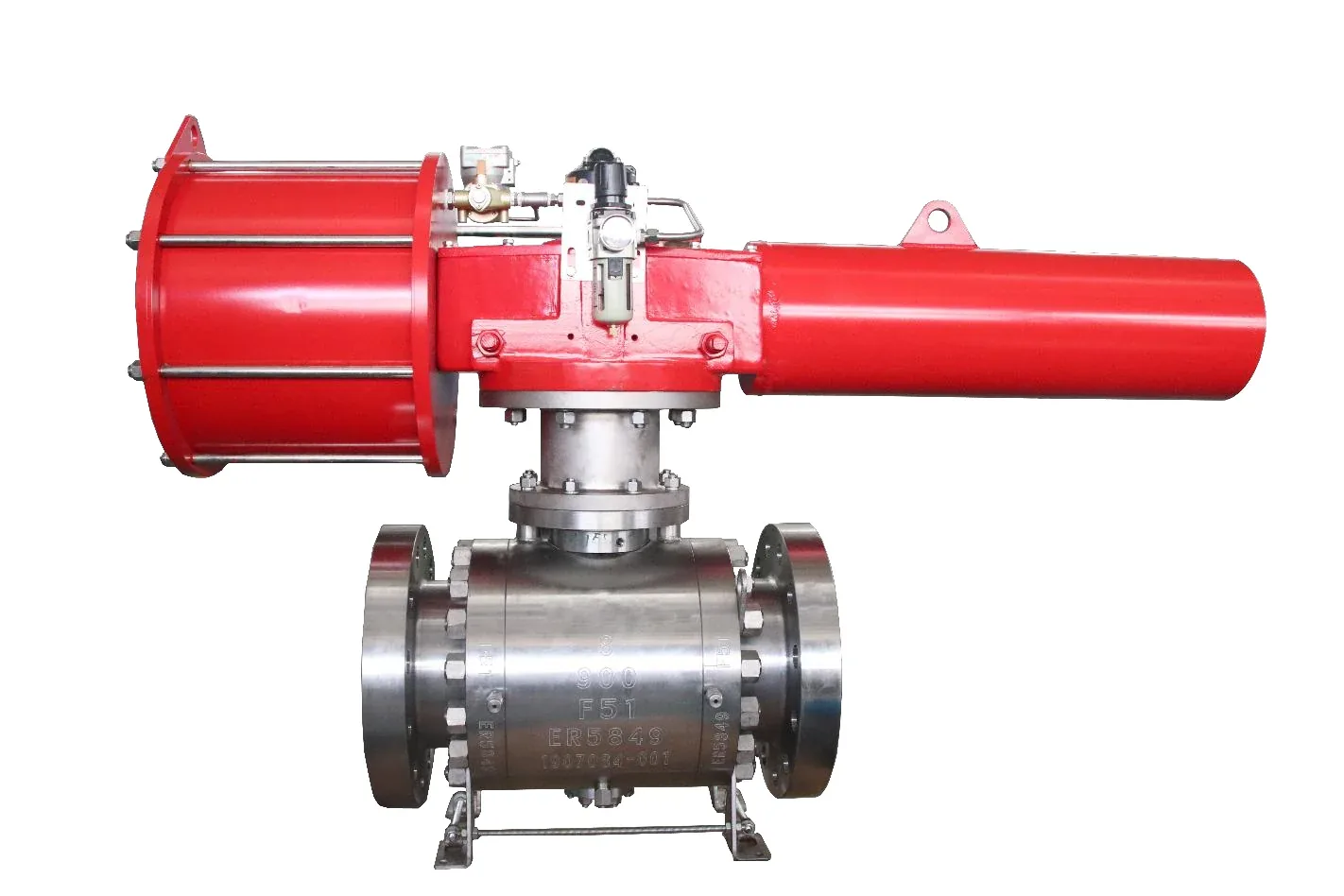
Selecting the correct valve for severe chemical processing, refining units, and corrosive pipeline streams requires balancing chemical resistance, thermal limits, and mechanical wear. While soft-seated valves provide cost-effective bubble-tight shutoff in clean fluids below 200°C, abrasive slurries, catalytic fines, and high-temperature corrosive hydrocarbons quickly destroy polymeric seals like PTFE or PEEK. An API 6D metal-seated ASTM A351 CF8M ball valve provides a durable mechanical solution by coupling austenitic stainless steel pressure-containing parts with specialized hardfacing alloys. ## Metallurgy and Construction: ASTM A351 CF8M Under API 6D ASTM A351 CF8M is the cast equivalent of AISI 316 stainless steel, containing nominal concentrations of 18–21% Chromium, 9–12% Nickel, and 2–3% Molybdenum. The addition of molybdenum provides resistance against pitting and crevice corrosion in chloride-bearing environments, organic and inorganic acids, and sour hydrocarbon streams. Under API 6D and ASME B16.34 specifications, CF8M valve bodies are pressure rated across Class 150, Class 300, and up to Class 2500. For Class 300 applications, CF8M retains structural ductility and high allowable stress across broad temperature spans from cryogenic regimes up to elevated process temperatures. Key design configurations include: * **Split-Body Two-Piece or Three-Piece Bolted Construction:** Facilitates inline maintenance, inspection of internal seating surfaces, and controlled gasket compression. * **Trunnion-Mounted vs. Floating Ball:** Floating ball designs (typically used for smaller bore sizes such as NPS 1/2 to NPS 2) utilize line pressure to push the ball against the downstream seat. Trunnion-mounted designs (NPS 2 to NPS 48 and larger) anchor the ball on mechanical bearings, transferring line thrust directly to the valve body to reduce operating torque and minimize seat wear. * **Blowout-Proof Stem & Anti-Static Design:** Precision-machined integral T-type collars prevent stem ejection under internal cavity overpressure, meeting API 6D fire-safe and mechanical integrity criteria. ## Hardfacing Systems and Seat Tightness Classes Metal-to-metal sealing requires precision grinding and lapping of the ball and seat ring pair. Because bare CF8M base metal is prone to galling under friction and contact pressure, thermal-spray coatings or weld overlays are applied to the sealing surfaces: 1. **High-Velocity Oxygen-Fuel (HVOF) Tungsten Carbide (WC-Co-Cr):** Standard choice for abrasive slurries and general corrosive applications up to 350°C (662°F). Delivers surface hardness exceeding 68–72 HRC. 2. **HVOF Chromium Carbide (Cr3C2-NiCr):** Engineered for high-temperature oxidizing media, hot flue gas, and severe refining service up to 550°C–800°C. 3. **Cobalt-Base Alloys (Stellite 6 / Stellite 12):** Applied via plasma transferred arc (PTA) or laser cladding for high corrosion-wear resistance and impact toughness across cycling services. Seat leakage rates for metal-seated valves are governed by standards such as ISO 5208, API 598, and ANSI/FCI 70-2. While soft seats routinely attain Rate A (zero detectable leakage), precision-lapped metal seats achieve ISO 5208 Rate D, Rate B, or even ANSI/FCI 70-2 Class V and Class VI (bubble-tight for engineered resilient-energized metal seats). ## Metal-Seated vs. Soft-Seated CF8M Ball Valves in Refining Services Evaluating the trade-offs between metal and soft seating mechanisms prevents premature failure in refining and petrochemical processes: | Engineering Parameter | Soft-Seated CF8M (PTFE / RPTFE / PEEK) | Metal-Seated CF8M (HVOF / Stellite Trim) | Operational Notes | | :--- | :--- | :--- | :--- | | **Max Service Temperature** | 150°C–260°C (PTFE/PEEK limits) | 400°C–600°C+ (Coating dependent) | Soft seats undergo cold flow and thermal degradation above limit | | **Abrasive Slurry Handling** | Poor (particles embed, cut seat ring) | Excellent (hardness >60 HRC resists erosion) | Catalytic fines and sand cause rapid soft-seat bypass | | **Operating Breakaway Torque** | Baseline (lower friction coefficient) | 1.3x to 2.0x higher than soft seats | Actuator sizing must accommodate higher friction and safety factor | | **Leakage Specification** | ISO 5208 Rate A / API 598 Zero Bubble | ISO 5208 Rate B/C/D, ANSI/FCI 70-2 Class V/VI | Requires dedicated lapping matched-pair ball and seat set | | **Fire-Safe Performance** | Relies on secondary metal backup seal | Inherently fire-safe primary metal seal | Graphite body seals maintain integrity during high thermal exposure | | **Initial Capital Cost** | Baseline | 1.8x to 3.0x higher | Offset by extended mean time between failures (MTBF) in severe lines | ## Actuator Sizing and Operating Torque Dynamics Metal-seated valves exhibit higher friction coefficients between the coated ball and metal seat rings compared to fluoropolymer trims. When sizing pneumatic, electric, or hydraulic actuators for metal-seated CF8M valves: * Apply an actuator sizing safety factor of at least 1.3 to 1.5 over calculated maximum dynamic breakaway torque. * Account for fluid stiction and scale deposition in uncycled isolation valves. * Evaluate stem material yield strength: For high-torque Class 300 to Class 1500 metal-seated valves, high-strength martensitic or precipitation-hardening stems (such as 17-4PH or UNS S20910 / XM-19) are selected to prevent stem twisting under high break torques while retaining corrosion compatibility. ## API 6D Stainless Steel Ball Valve RFQ Engineering Checklist When preparing a Request for Quotation (RFQ) for metal-seated CF8M ball valves, ensure the requisition package contains unambiguous technical parameters: 1. **Design Standard & Class:** API 6D, ASME B16.34, Class 150/300/600, Raised Face (RF) or Ring Type Joint (RTJ) per ASME B16.5. 2. **Detailed Medium Composition:** Concentration of chlorides, presence of H2S (NACE MR0175/ISO 15156 compliance requirement), solids percentage, and particle size distribution. 3. **Operating Temperature Profile:** Minimum design metal temperature (MDMT), normal operating temperature, and maximum excursion/upset temperature. 4. **Specified Shutoff Leakage Class:** Target standard (e.g., ISO 5208 Rate D, Rate B, or ANSI/FCI 70-2 Class V). 5. **Coating Selection:** Tungsten carbide, chromium carbide, or Stellite overlay on ball and seat contact faces. 6. **Seat Configuration:** Single Piston Effect (SPE - self-relieving) vs. Double Piston Effect (DPE), or Double Block & Bleed (DBB) cavity venting. 7. **Non-Destructive Examination (NDE):** Radiographic testing (RT) or ultrasonic testing (UT) on casting bodies, Liquid Penetrant Testing (PT) on hardfaced trim, and positive material identification (PMI) on pressure boundary and wetted components.
Tags:#API 6D metal seated CF8M ball valve selection guide#ASTM A351 CF8M ball valve Class 300#metal seated vs soft seated ball valve refining#API 6D stainless steel ball valve RFQ checklist#high temperature corrosive service ball valve
Share This Engineering Guide
Pass this technical specification and valve standard breakdown to your project procurement and piping design colleagues.