✓SMD Flow Control Engineering
•Published: 2026-06-26•⏱ 8 min read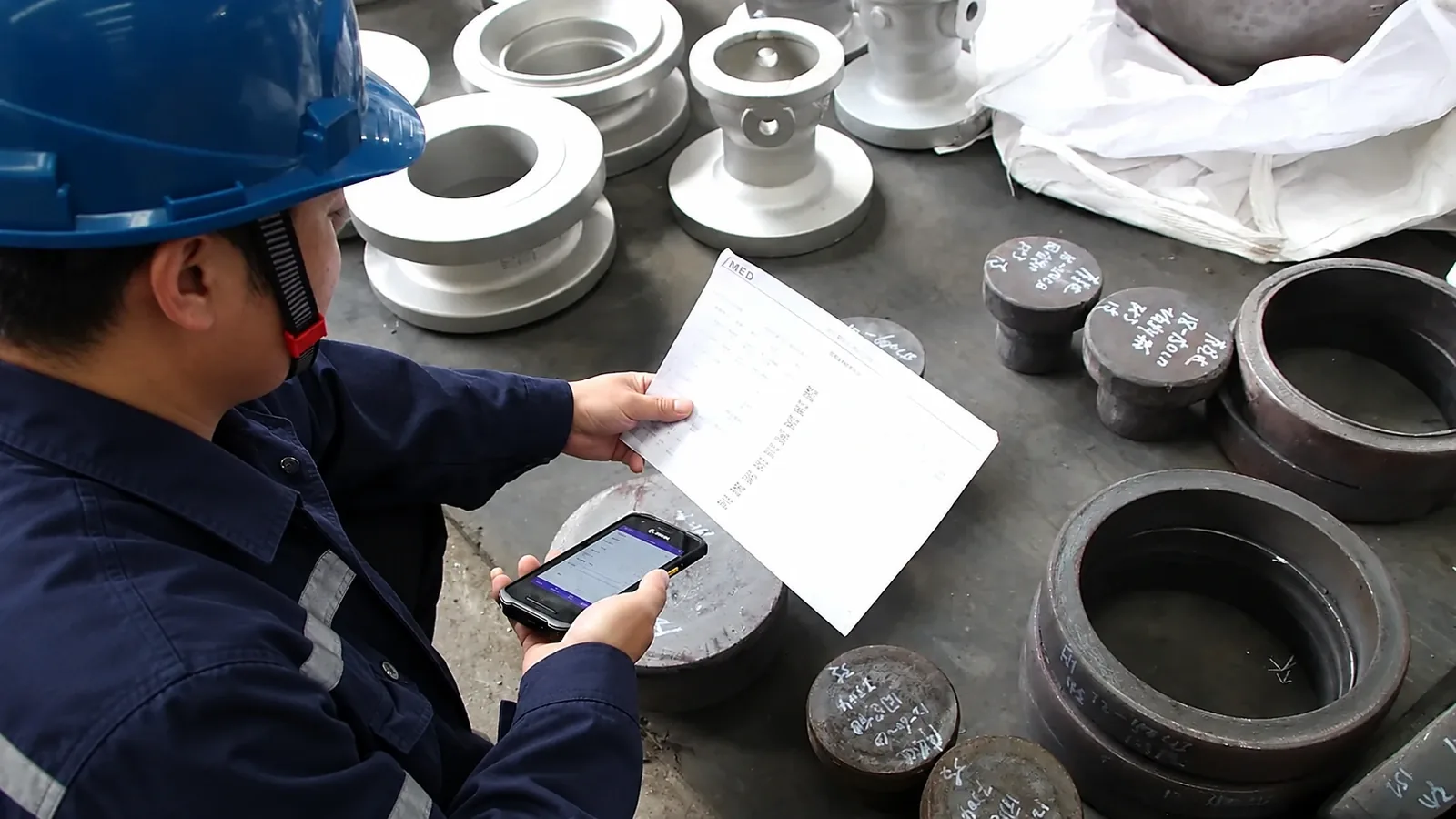
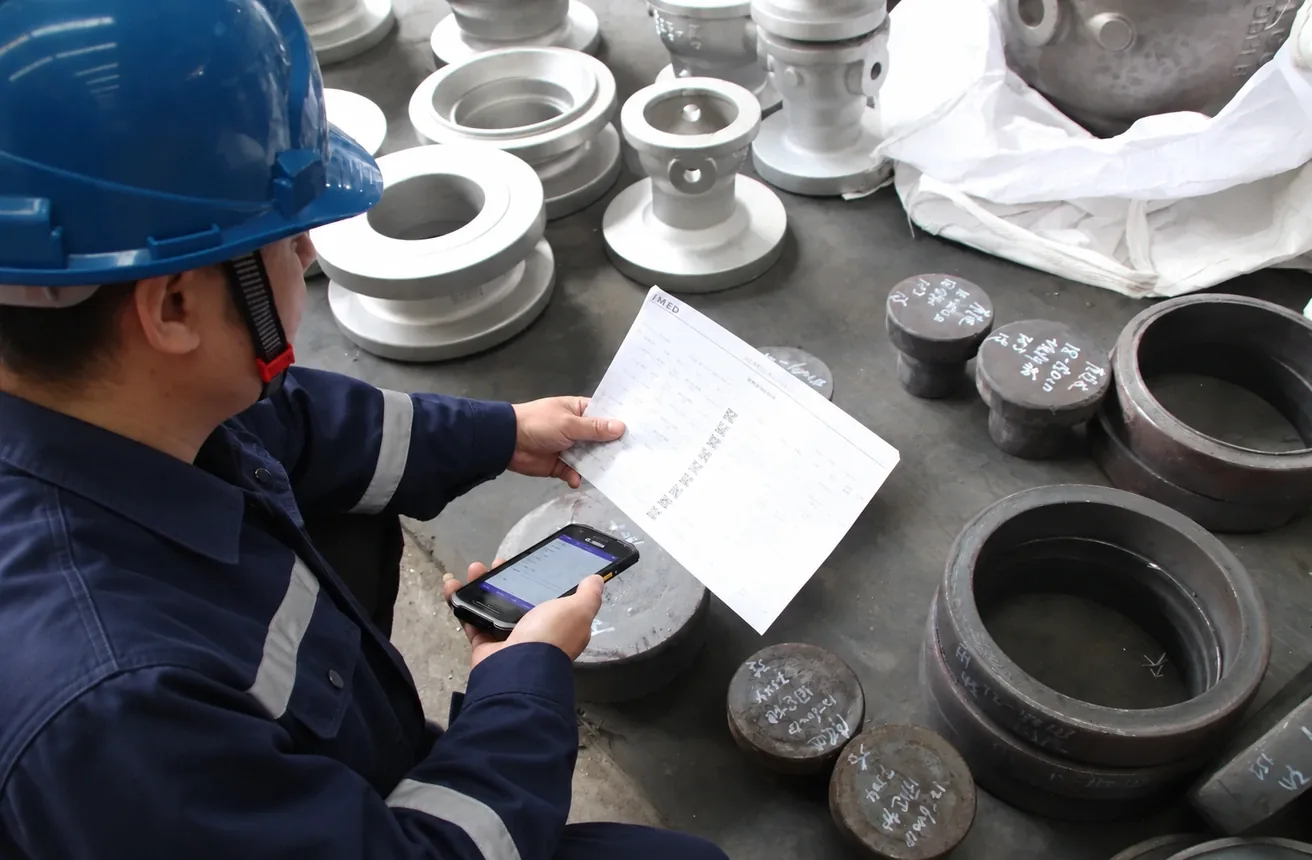
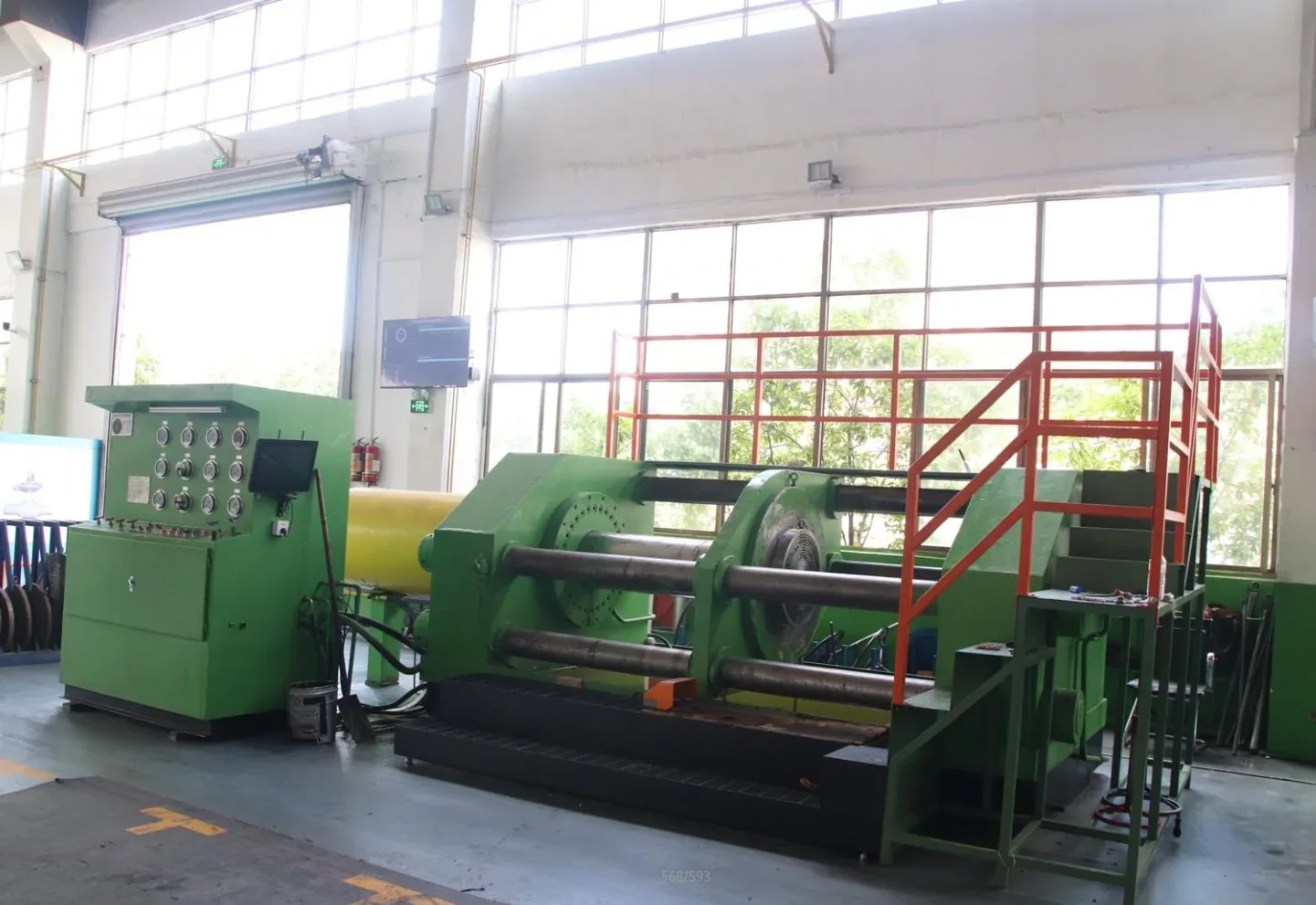
FACTORY EVIDENCE · 100% REAL WORKSHOP
Material selection starts with complete service data. The fluid name alone is not enough; concentration, contaminants, water content, pH, velocity, pressure, temperature and operating transients can change the corrosion mechanism and the suitability of a material.
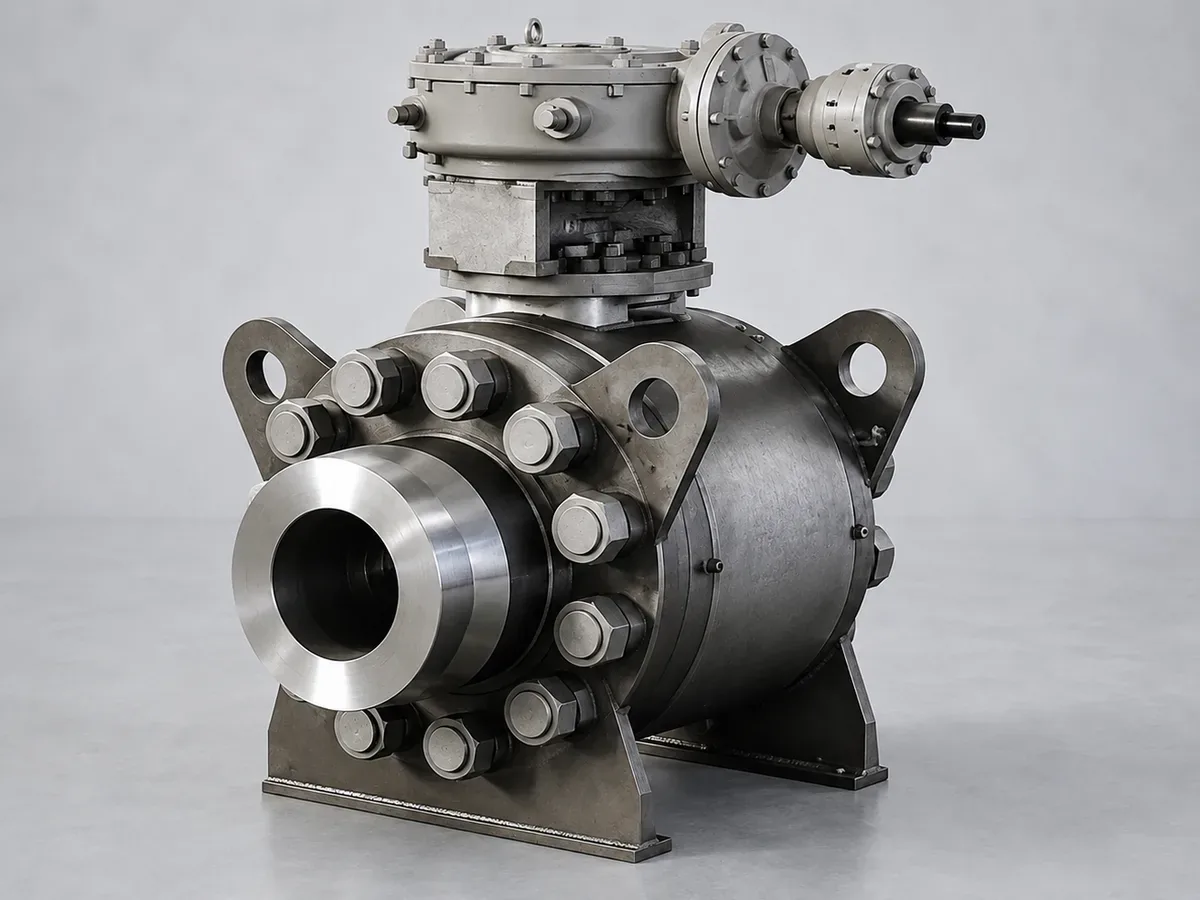
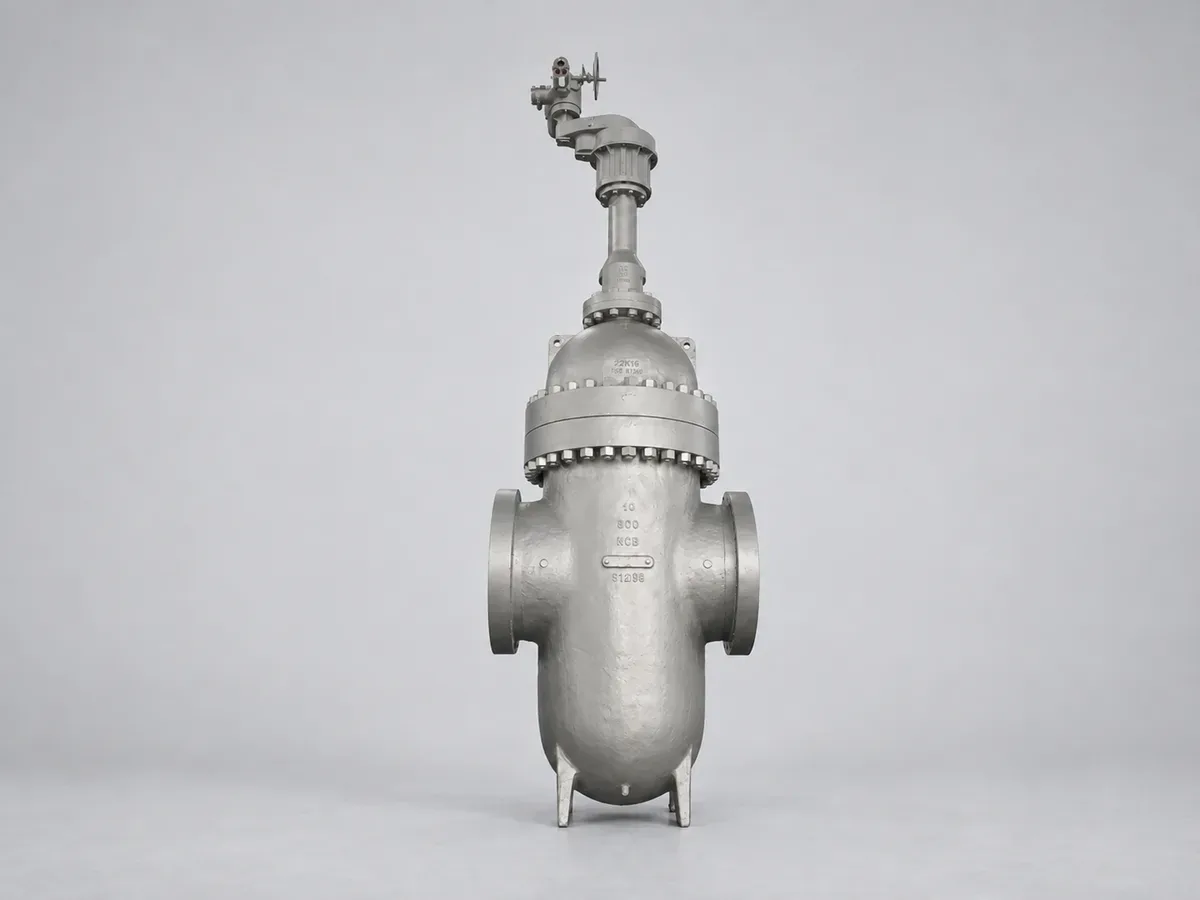
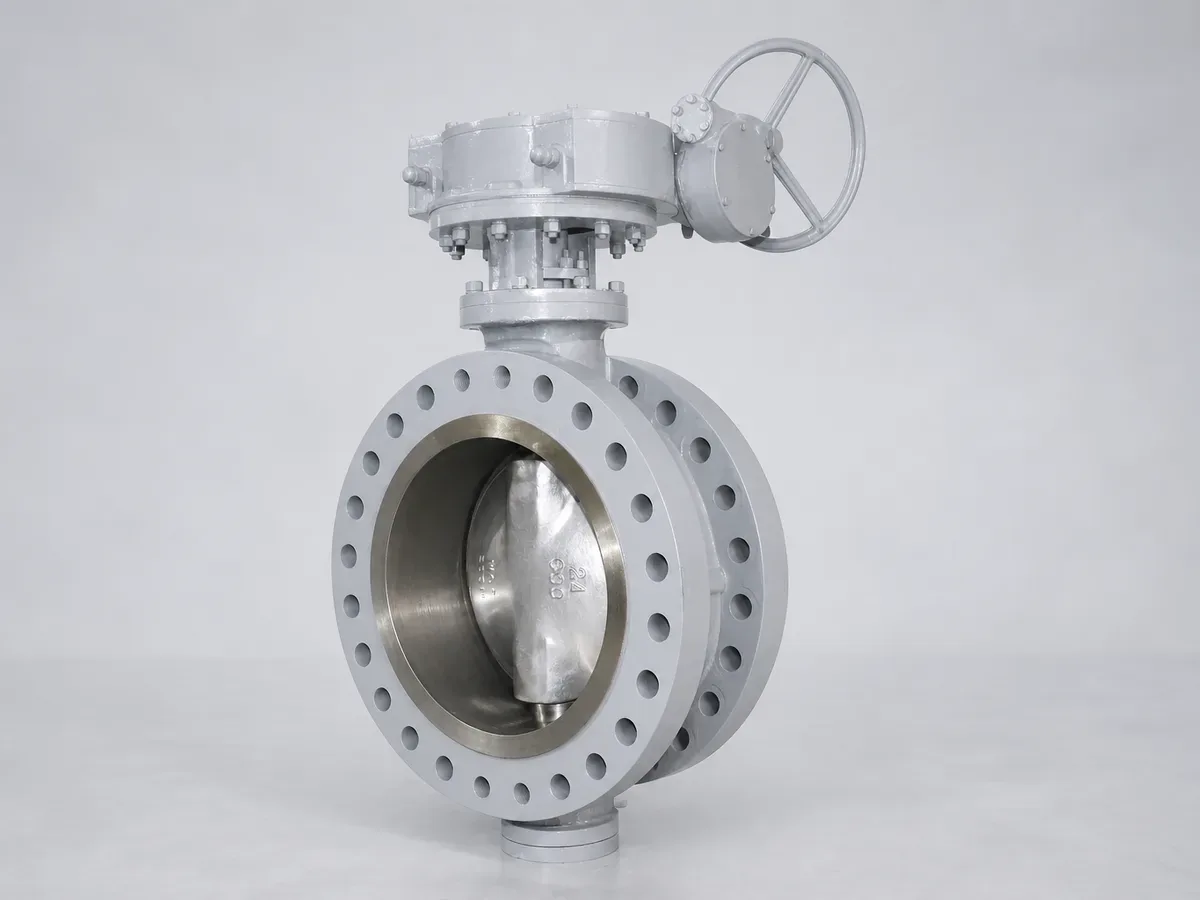
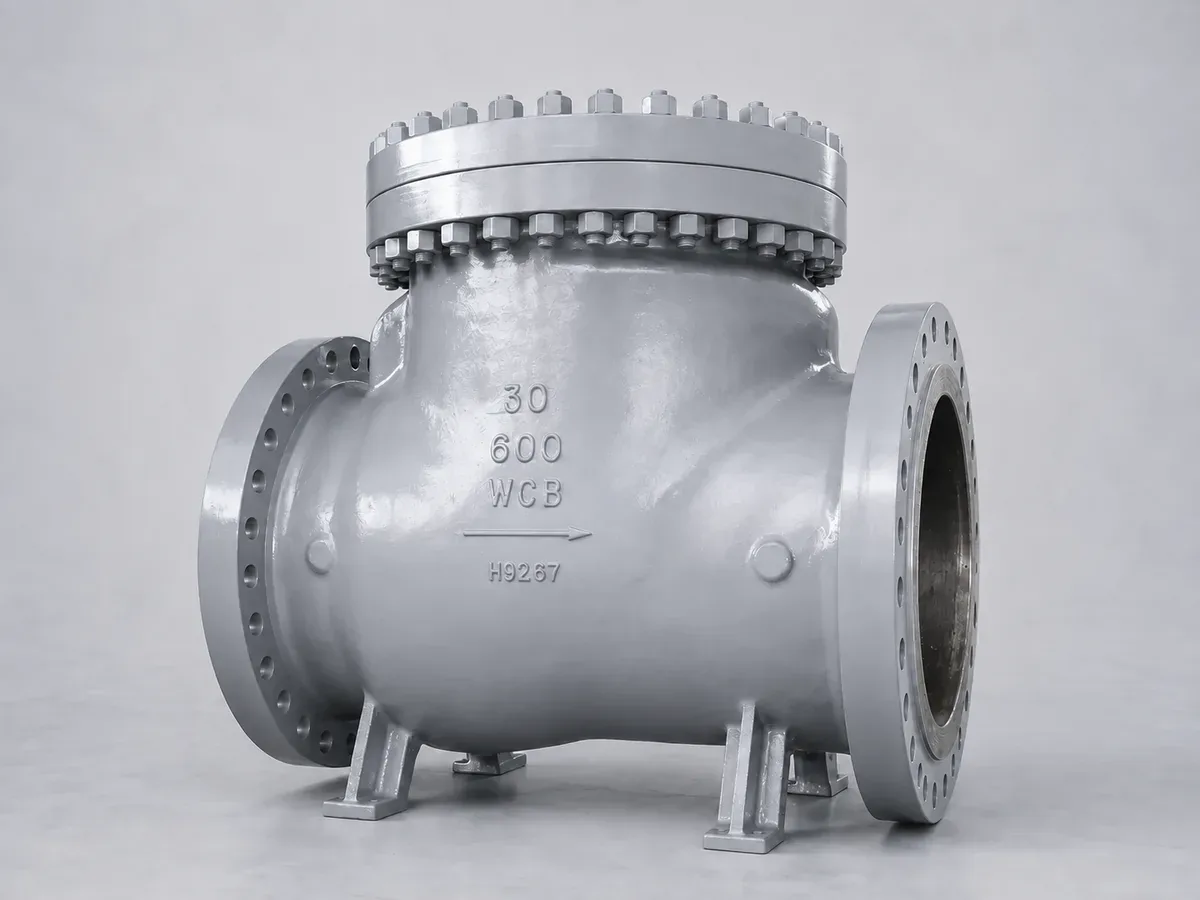
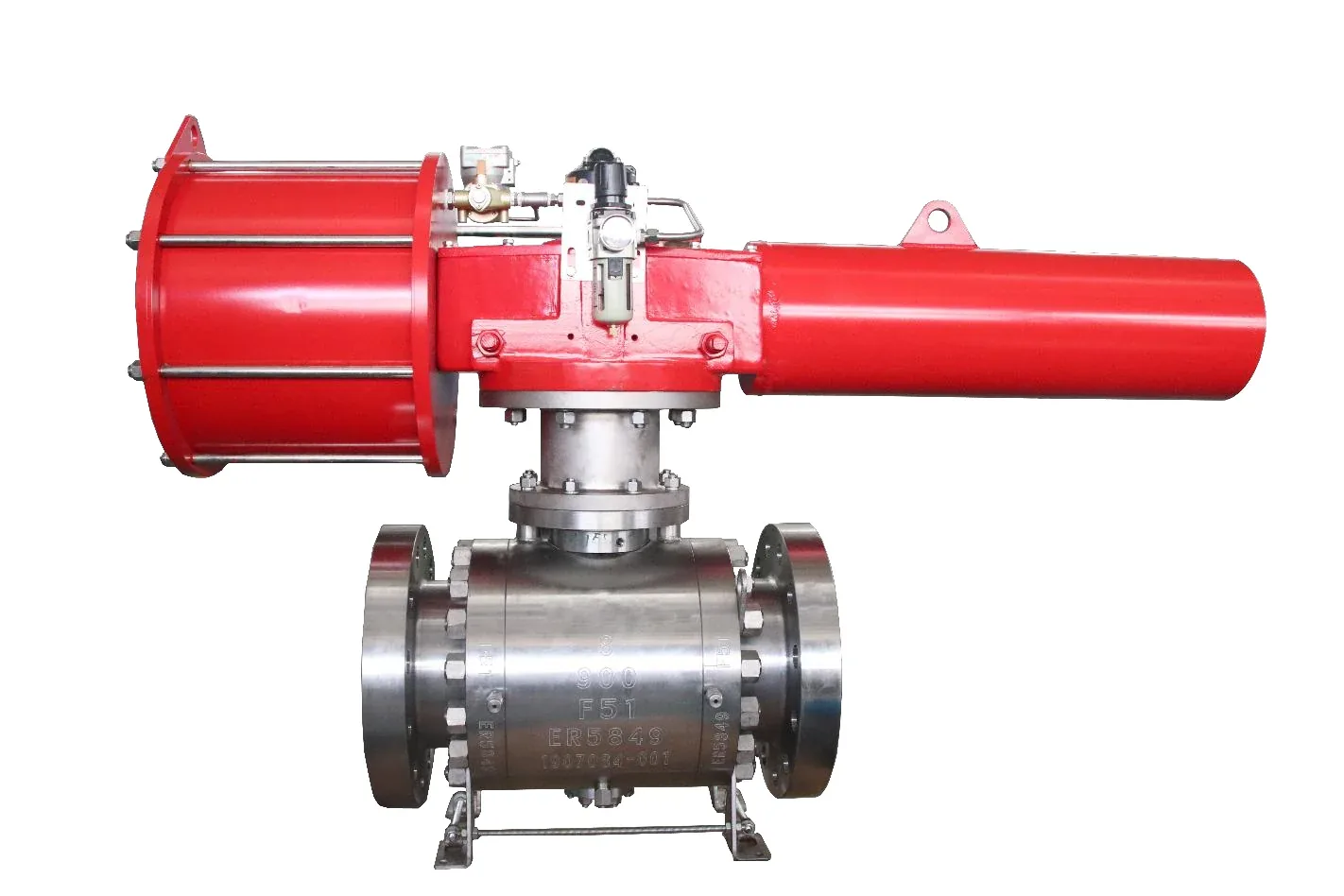
Evaluate the full pressure boundary and all wetted components. Body material, trim, stem, fasteners, seat carrier, soft seals, packing and gaskets may require different materials. Carbon and stainless steels cover many duties, while duplex grades and selected nickel alloys may be considered for chloride, sour or highly corrosive environments.
Compatibility must be balanced with manufacturability, welding, heat treatment, galling, erosion, hardness restrictions and availability. A project may also require PMI, impact testing, corrosion testing, ferrite control or additional material certificates.
The final material schedule should be tied to the approved valve data sheet and bill of materials. Any substitution or deviation should be reviewed before production and recorded in the project file.
Engineering Q&A
Technical FAQ & Design Criteria
Critical engineering answers referenced against API / ASME / ISO standards.
How is PREN calculated and used for alloy valve material qualification?↓
PREN is calculated as %Cr + 3.3(%Mo + 0.5%W) + 16(%N). Materials with PREN ≥ 40 (such as Super Duplex 2507 or UNS S32750) are qualified for high-chloride marine and seawater service where standard 316SS (PREN ~25) suffers severe pitting.
What compliance is required for valves in sour gas containing H2S?↓
Valves in sour service must comply with NACE MR0175 / ISO 15156, which imposes strict hardness limits (typically ≤ 22 HRC for carbon/low-alloy steels) and requires controlled heat treatment to resist sulfide stress cracking (SSC).
Why must valve trim materials have higher corrosion and galling resistance than body castings?↓
Trim components (stem, ball, disc, seat rings) experience localized fluid velocity, friction, and shear forces during operation. Selecting higher-grade alloys or hardfacing overlays (e.g., Stellite 6, Inconel 625) prevents seizing and premature seat leakage.
Tags:#Materials#Duplex#Nickel Alloy#Corrosion
Share This Engineering Guide
Pass this technical specification and valve standard breakdown to your project procurement and piping design colleagues.
Valve Material Selection for Corrosive and Severe Service
Official engineering resource by SMD Flow Control