✓SMD Flow Control Standards Committee
•Published: 2026-06-05•⏱ 9 min read
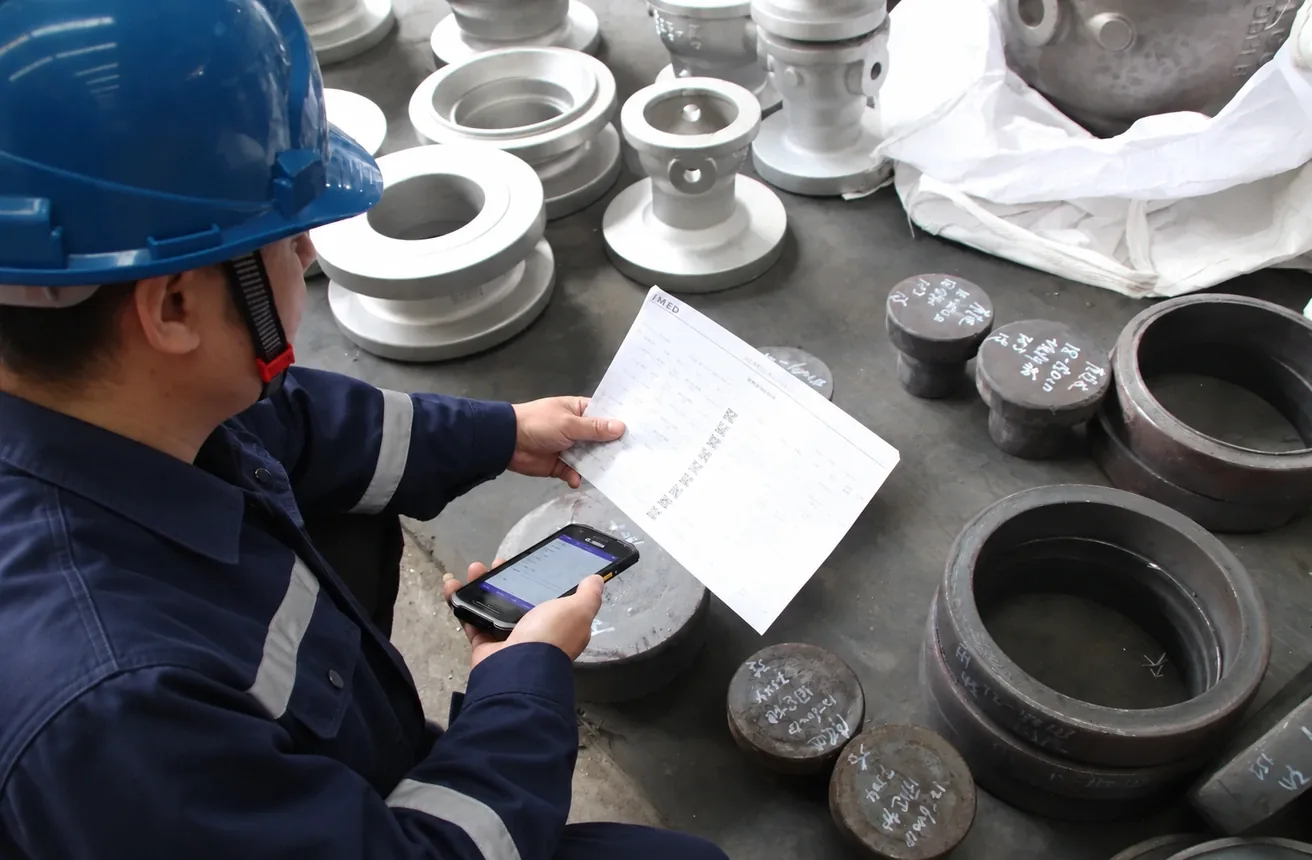
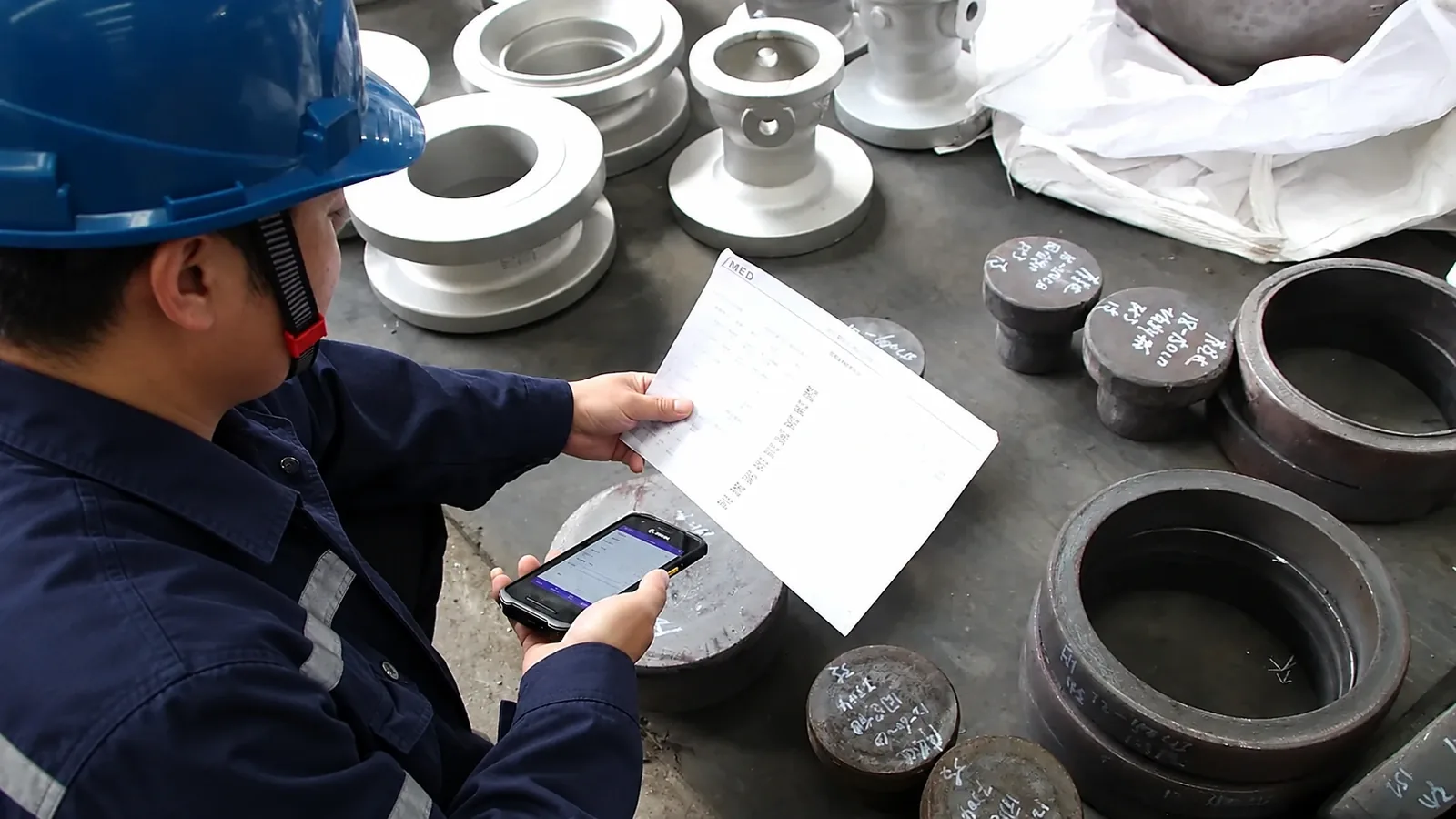
FACTORY EVIDENCE · 100% REAL WORKSHOP
Specifying the correct American Petroleum Institute (API) valve standard is critical for piping design integrity, plant safety, and procurement cost control. Confusing API standards frequently leads to specifying under-designed valves in high-hazard refinery units or paying unnecessary premiums for pipeline-grade features in standard chemical plant loops.
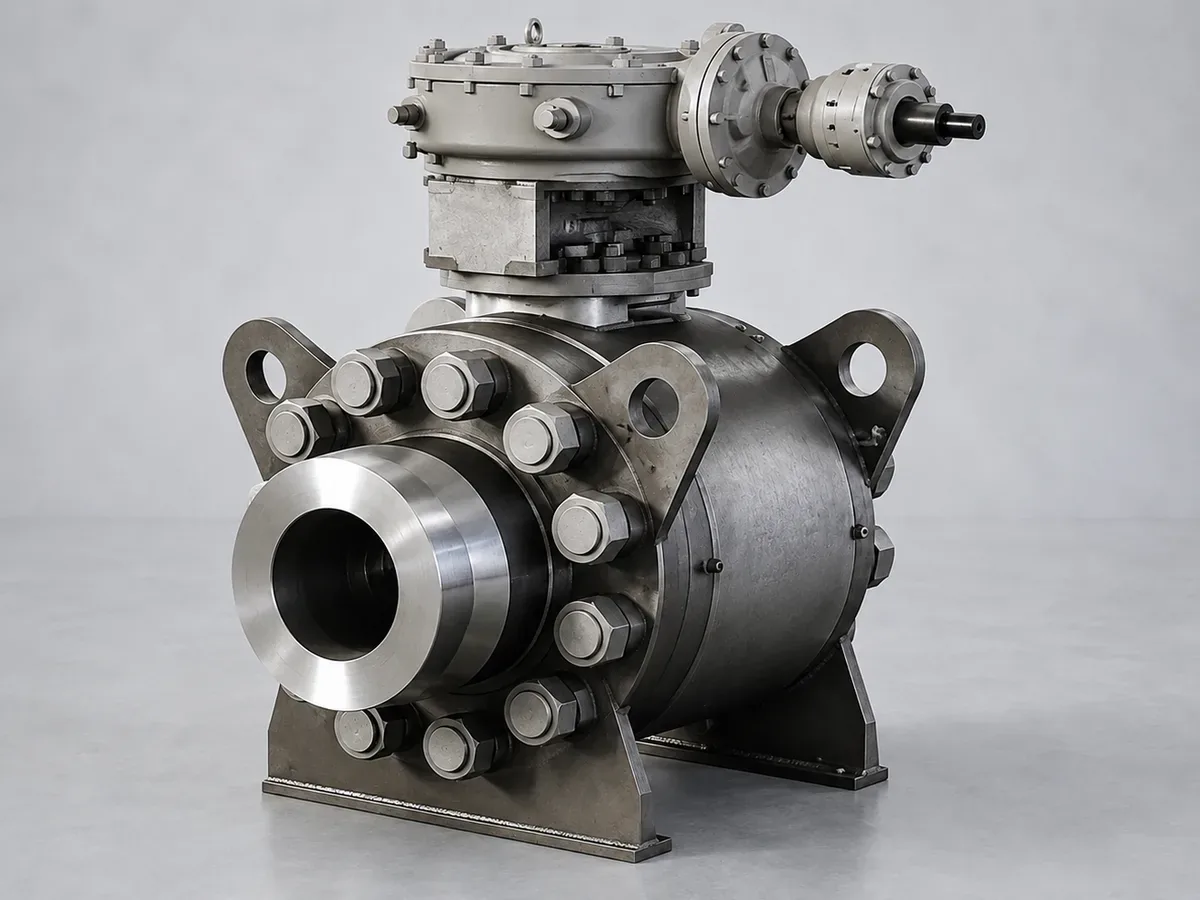
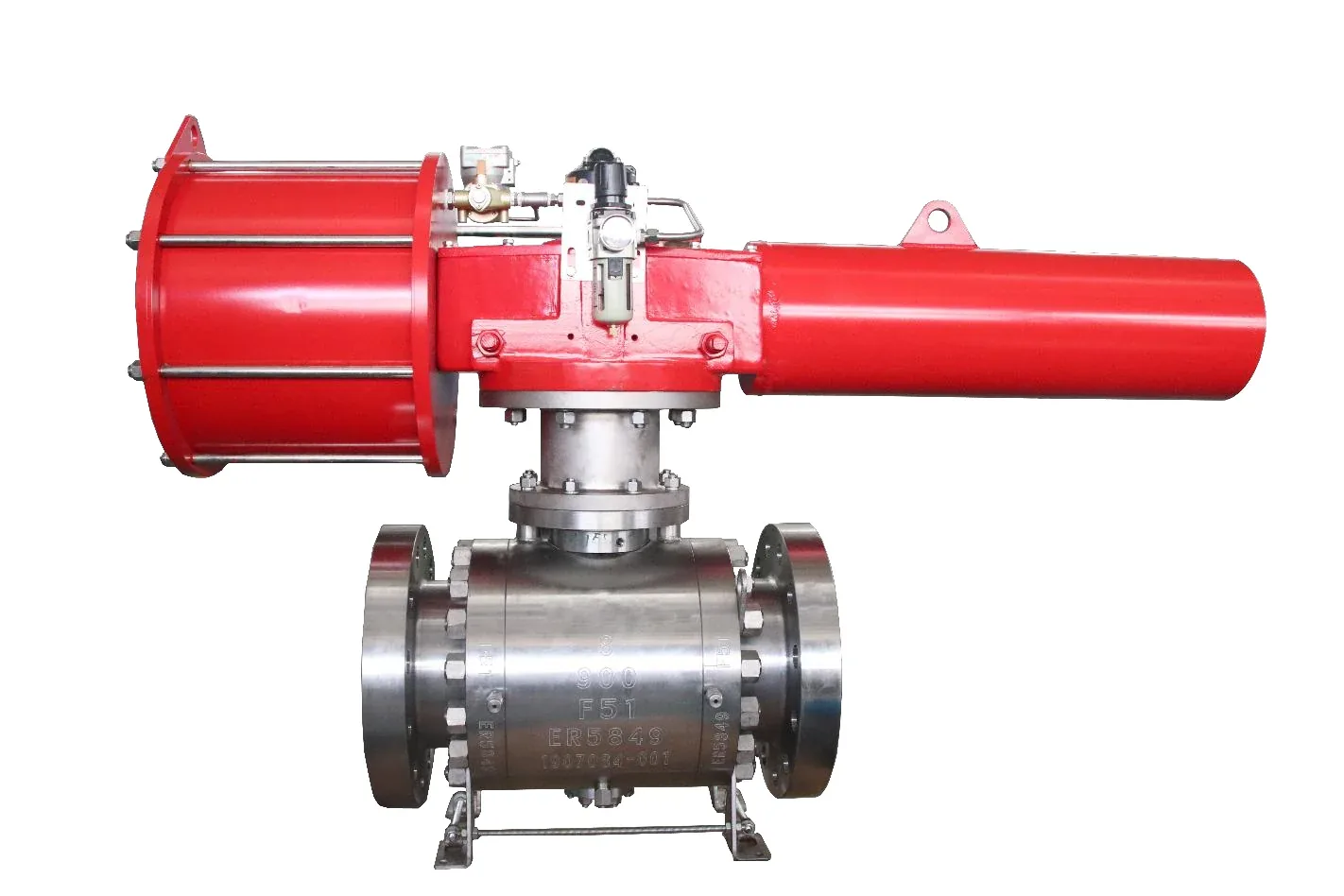
API 6D (Specification for Pipeline and Piping Valves) governs ball, gate, plug, and check valves designed specifically for long-distance oil and gas transmission pipelines. API 6D mandates full-port through-conduit designs, Double Block and Bleed (DBB) capabilities, internal cavity pressure relief, drain and vent ports, and extended factory pressure-test holding durations.
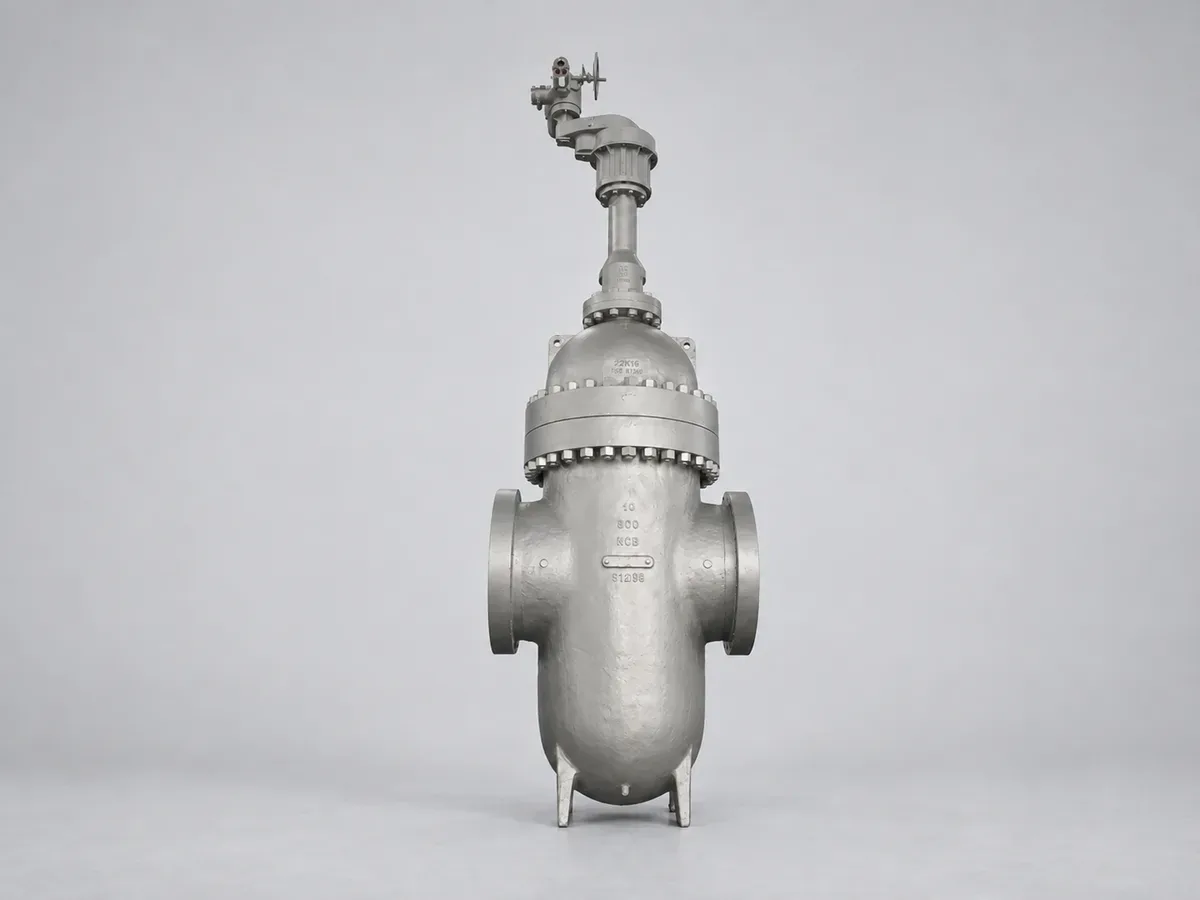
In contrast, API 600 (Steel Gate Valves - Flanged and Butt-welding Ends, Bolted Bonnets) is the definitive standard for heavy-duty cast steel wedge gate valves used in oil refineries and petrochemical facilities. API 600 mandates substantially heavier minimum wall thicknesses and larger stem diameters than ASME B16.34 Standard Class, providing extra corrosion allowance and structural rigidity for high-temperature cracking units.
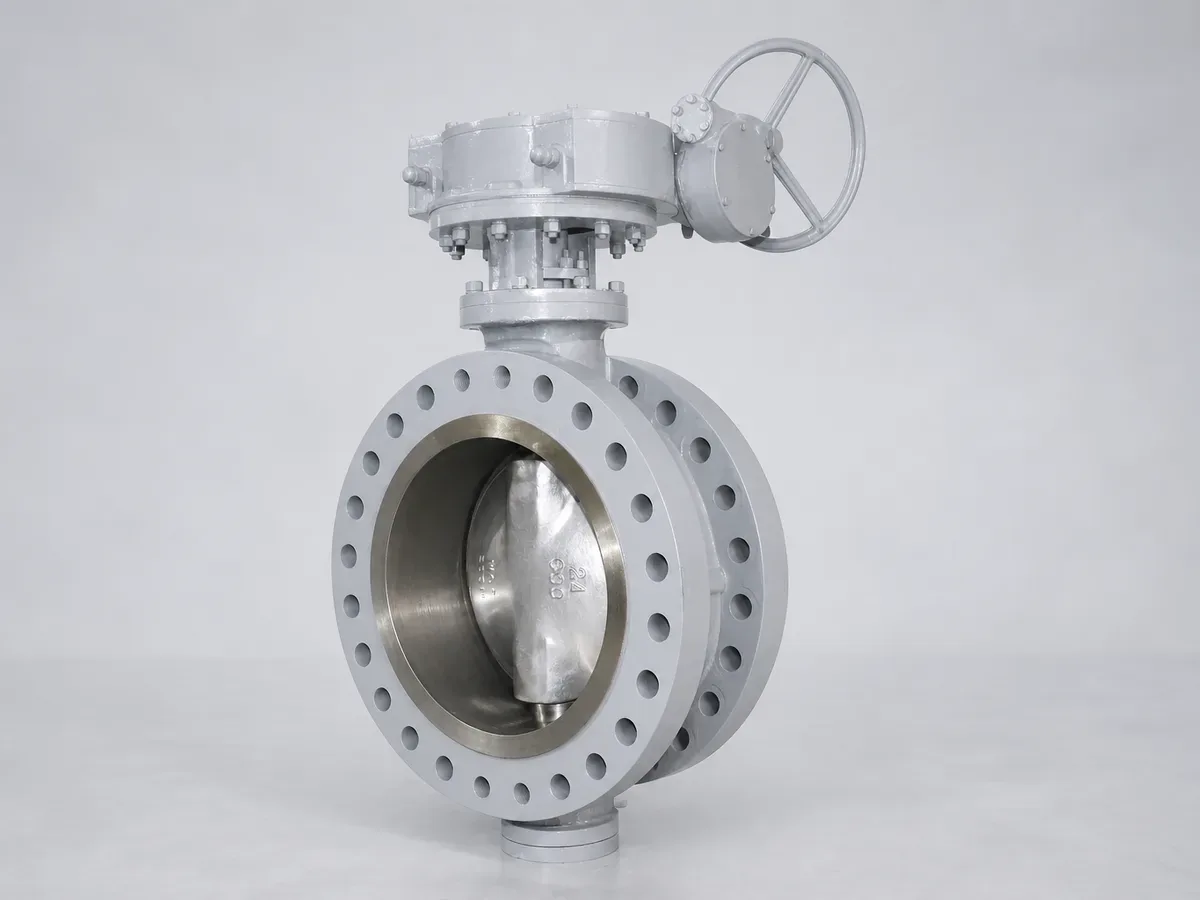
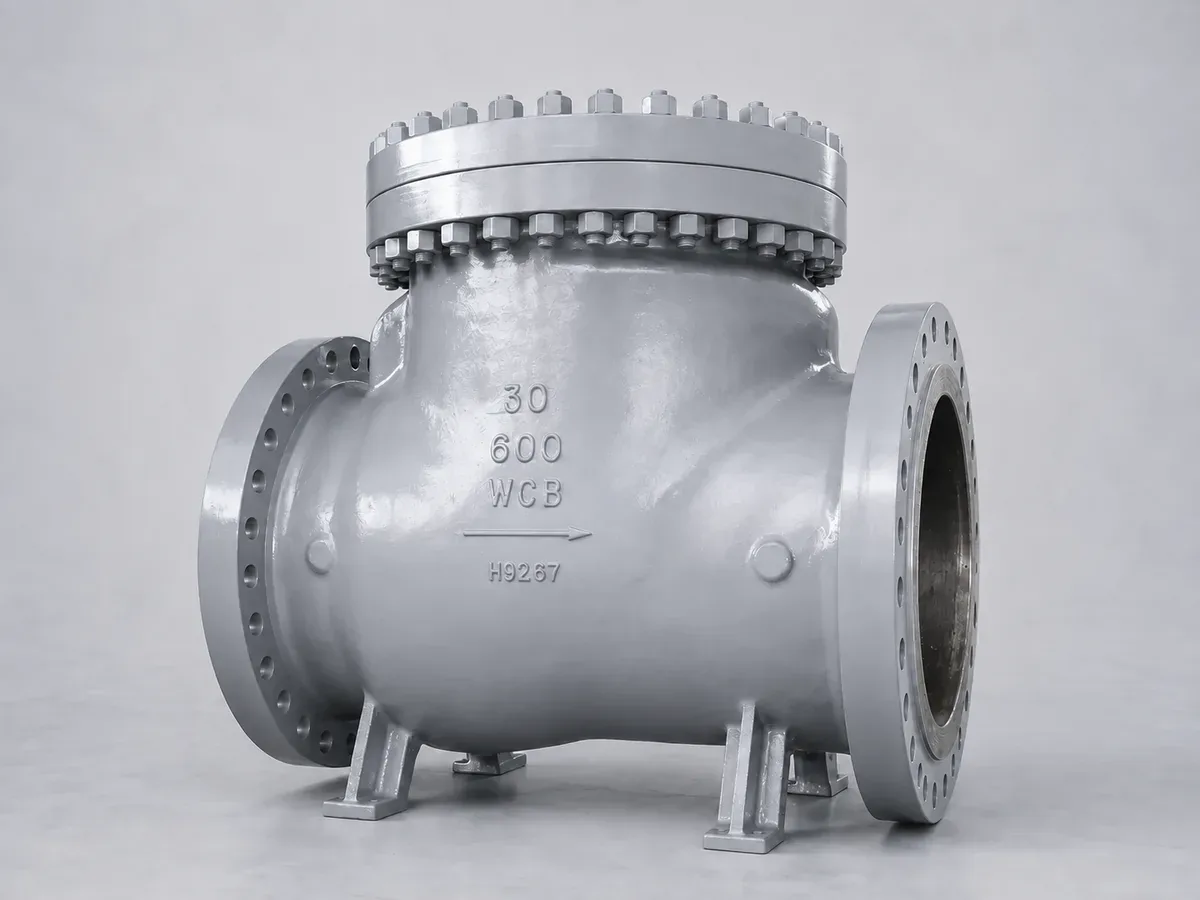
For compact piping systems, API 602 covers forged steel gate, globe, and check valves in sizes ≤ 4" (DN100) with socket weld, threaded, or flanged ends. API 608 standardizes metal and soft-seated floating and trunnion ball valves for general refinery process piping (integrating with ASME B16.34). Finally, API 609 specifies Category A (concentric/lug/wafer) and Category B (double/triple eccentric) butterfly valves for severe isolation and throttling services.
Engineering Q&A
Technical FAQ & Design Criteria
Critical engineering answers referenced against API / ASME / ISO standards.
Why cannot an API 608 process ball valve automatically replace an API 6D pipeline ball valve?↓
API 6D requires specific pipeline features including Double Block and Bleed (DBB), cavity relief ports, full-bore piggability, and longer hydrostatic holding test times that are not mandated in API 608 process ball valve designs.
What is the wall thickness difference between API 600 and ASME B16.34 gate valves?↓
API 600 specifies minimum wall thicknesses approximately 15% to 25% heavier than ASME B16.34 Standard Class. This additional wall thickness provides structural margin against pipe stress and serves as an sacrificial corrosion allowance in harsh refinery service.
What is the distinction between API 609 Category A and Category B butterfly valves?↓
Category A covers concentric resilient-seated butterfly valves with pressure ratings up to Class 150 (typically for water and utilities). Category B covers offset (double and triple eccentric) metal- or soft-seated valves rated up to Class 600 for process isolation.
Tags:#API Standards#API 6D#API 600#API 602#API 608#API 609
Share This Engineering Guide
Pass this technical specification and valve standard breakdown to your project procurement and piping design colleagues.
API Valve Standards Comparison: API 6D, 600, 602, 608 & 609
Official engineering resource by SMD Flow Control