✓SMD Flow Control Engineering Team
•Published: 2026-07-04•⏱ 8 min read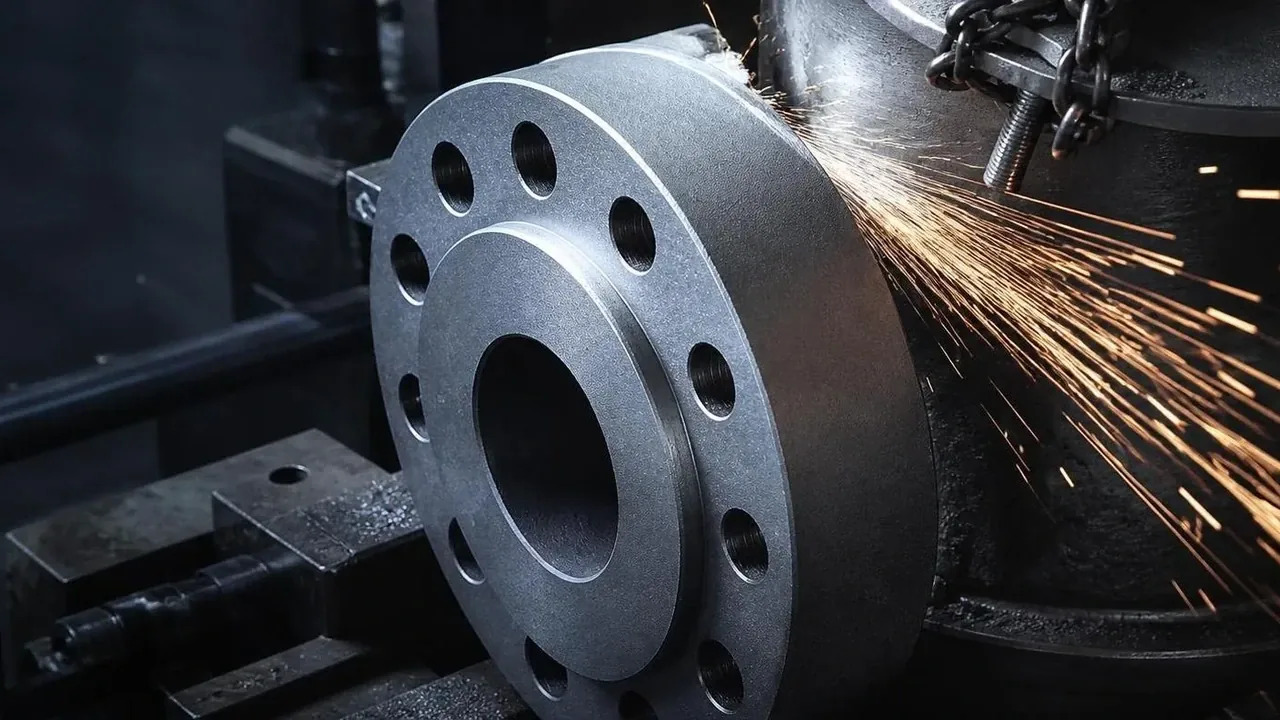
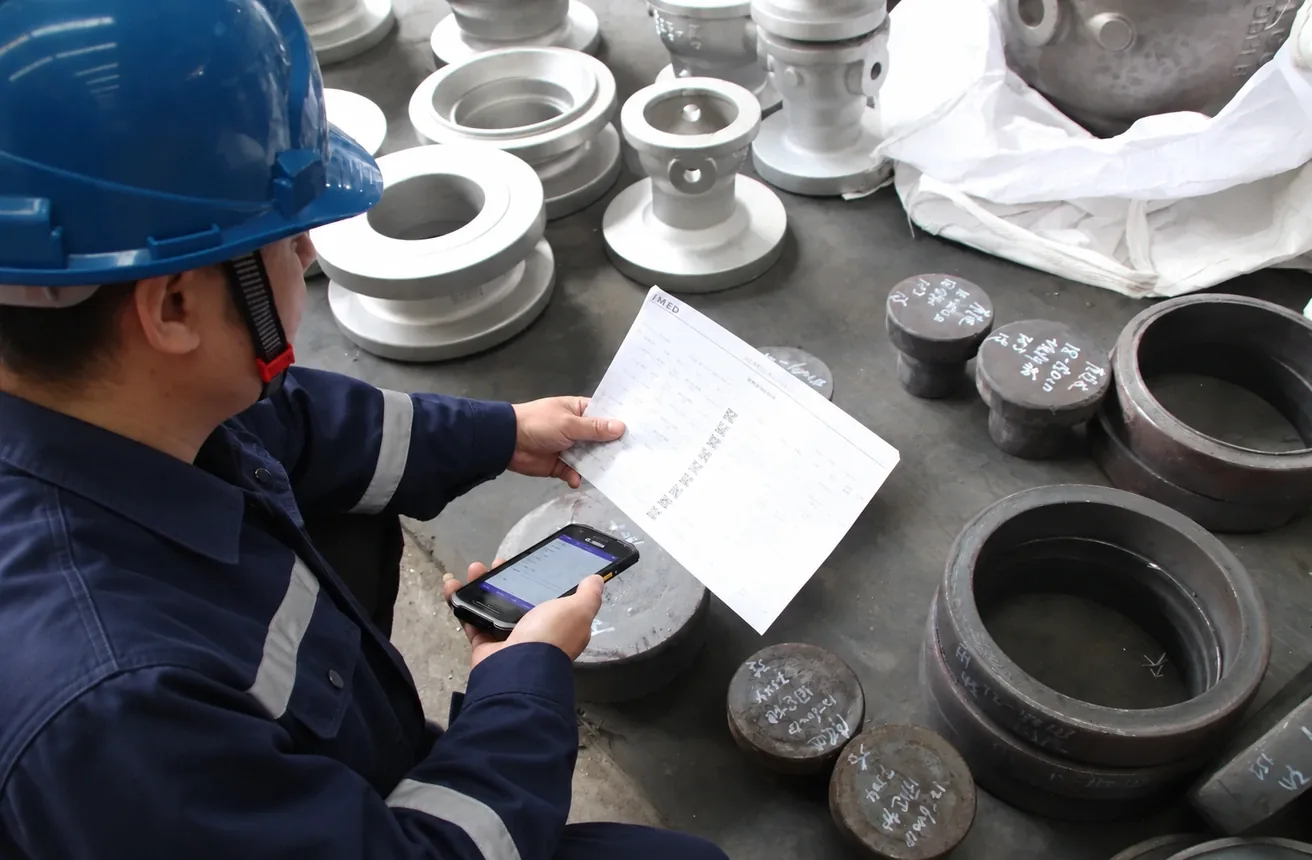
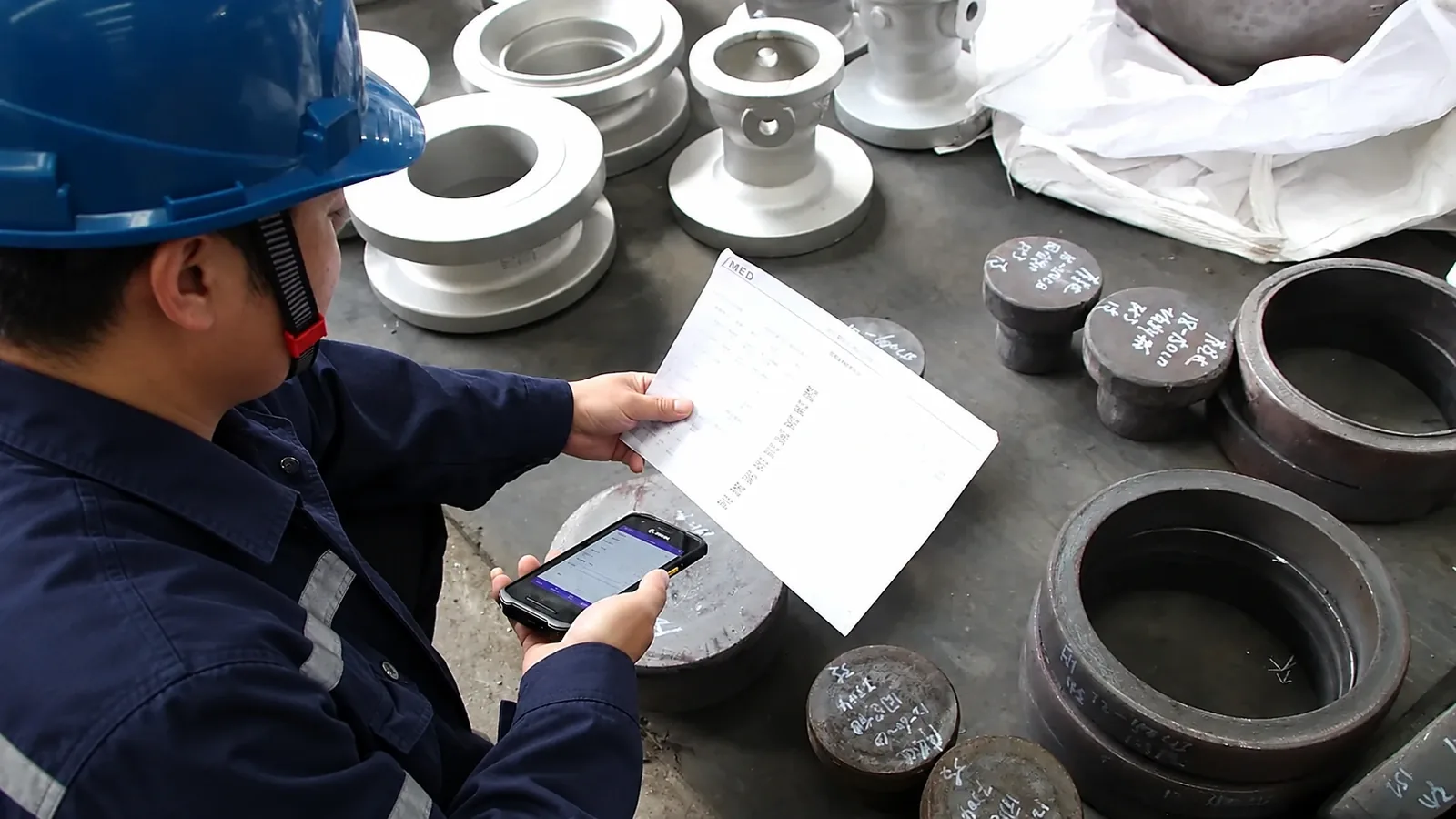
FACTORY EVIDENCE · 100% REAL WORKSHOP
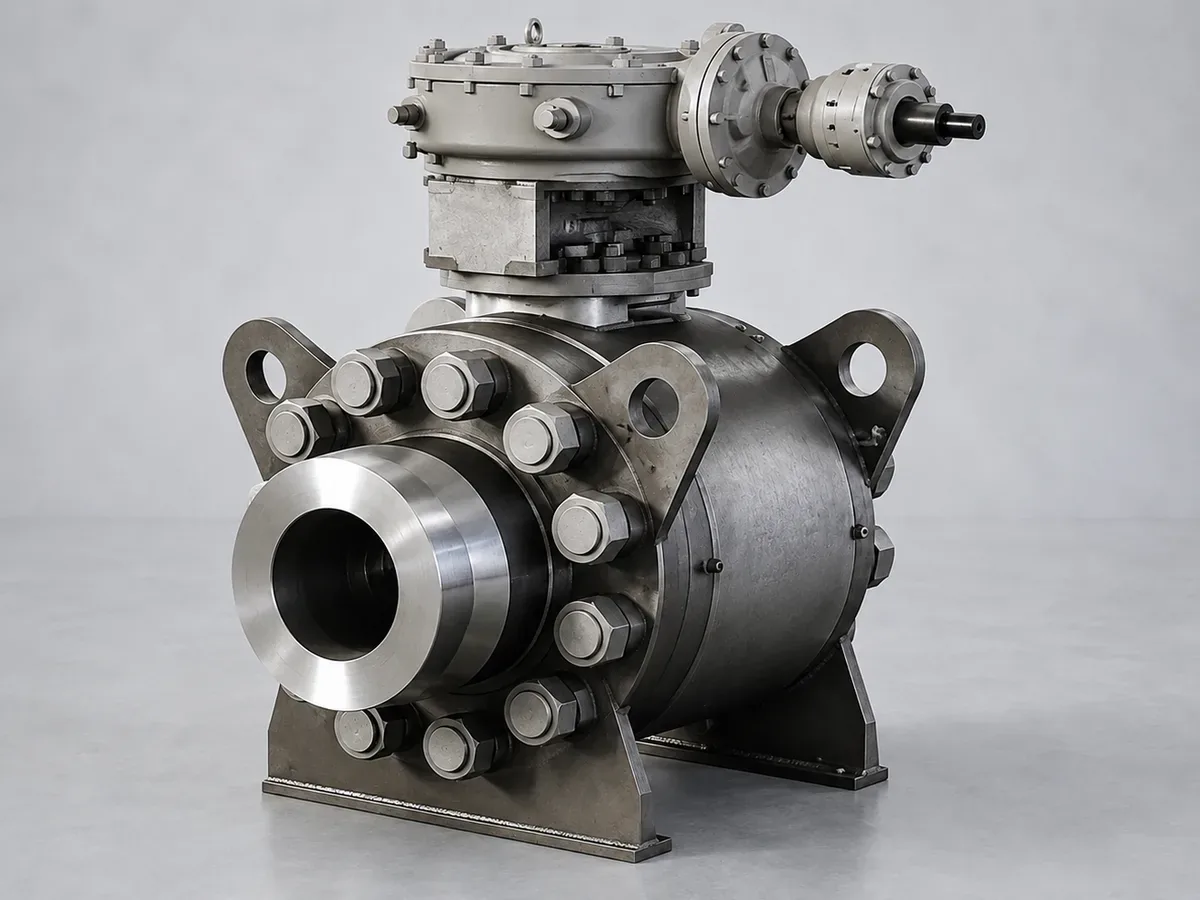
Standard soft-seated ball valves utilizing PTFE, RPTFE, PEEK, or Devlon seat inserts are limited to operating temperatures below 200°C to 250°C. When exposed to refining delayed coker units, catalyst slurry loop isolation, coal gasification, or high-pressure steam above 300°C, polymer seats suffer thermal degradation, plastic extrusion, and total loss of shutoff capability. Severe-service isolation requires metal-to-metal seated ball valves.
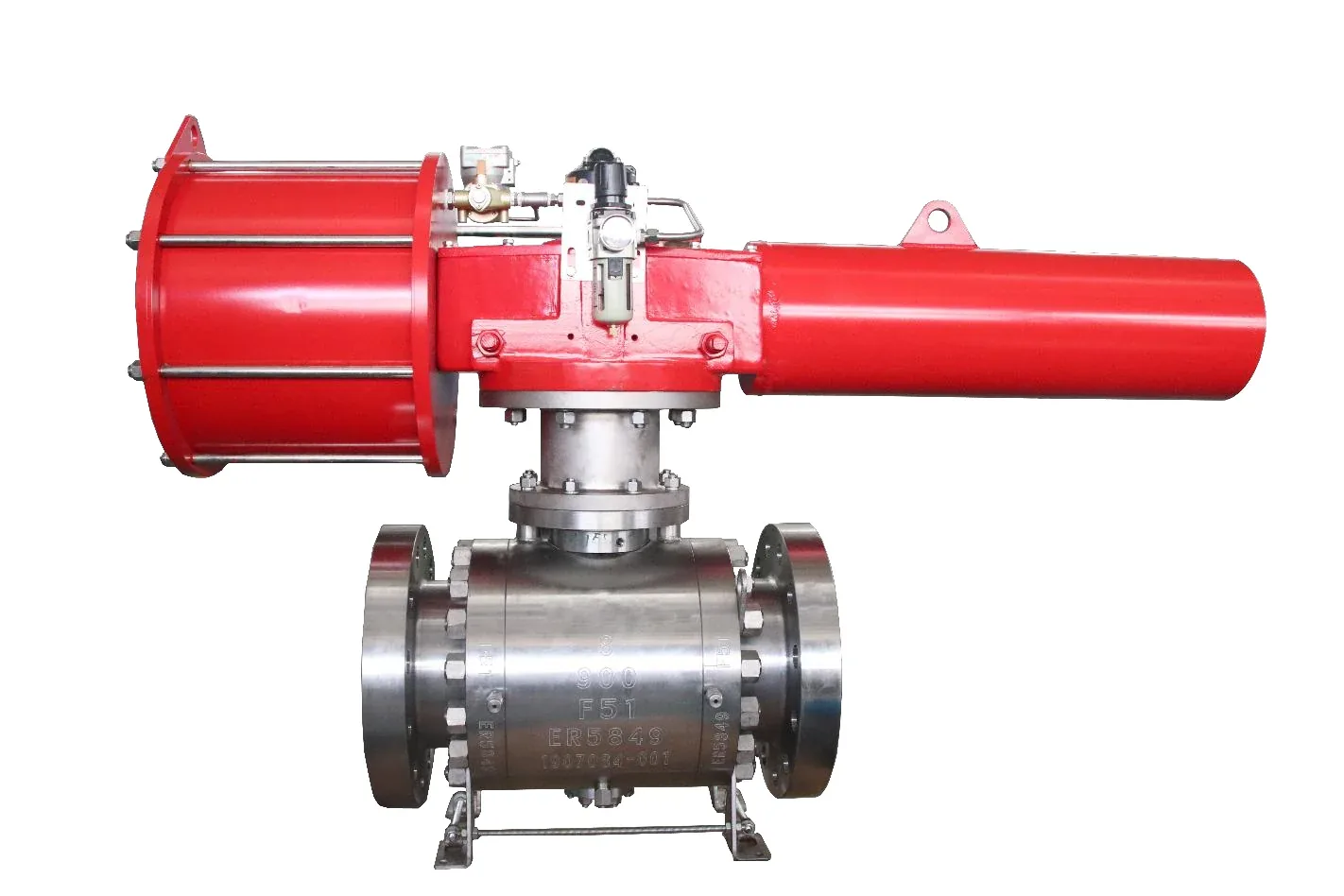
The fundamental engineering requirement for high-temperature metal-seated ball valves is matching thermal expansion coefficients between the ball, seat rings, body cavity, and stem. SMD Flow Control manufactures matched ball-and-seat sets made from forged ASTM A182 F316H or F11/F22 alloy steels. The sealing surfaces receive supersonic High-Velocity Oxygen-Fuel (HVOF) applied Chromium Carbide with Nickel-Chromium matrix (Cr3C2-NiCr, coating hardness 68–72 HRC) for temperatures up to 550°C, or Tungsten Carbide (WC-Co-Cr) for slurry service up to 400°C.
To prevent thermal binding and particulate buildup between the ball and seat, the spring-loaded seat carrier features a precision scraper edge design. As the ball rotates, the sharp leading edge of the metal seat ring continuously scrapes coke deposits and catalyst fines off the spherical surface. Belleville spring stacks positioned behind the seat rings provide dynamic live-loading, compensating for thermal dimensional expansion and maintaining consistent seating contact stress.
Every metal-seated ball valve undergoes paired spherical lapping, achieving a surface conformity roundness within 0.005 mm. Shutoff performance is factory-tested in accordance with ANSI/FCI 70-2 Class V or Class VI (bubble-tight) and API 598 high-pressure liquid and low-pressure pneumatic seat testing.
Engineering Q&A
Technical FAQ & Design Criteria
Critical engineering answers referenced against API / ASME / ISO standards.
How do scraper seats prevent coke buildup in delayed coker and slurry hydrocracker valves?↓
The seat ring is engineered with a sharp, hardened scraper profile on its inner edge. As the ball rotates through its 90° stroke, this edge continuously shears away accumulated coke deposits and catalyst scale, keeping the spherical seating contact clean.
What coating is recommended when valve operating temperatures exceed 450°C?↓
Above 450°C, Tungsten Carbide coatings undergo oxidation and decarburization. Chromium Carbide with Nickel-Chromium matrix (Cr3C2-NiCr, 68–72 HRC) is the standard high-temperature hardfacing, maintaining hardness and oxidation resistance up to 650°C.
What is the allowable leakage rate for ANSI/FCI 70-2 Class V vs Class VI in metal-seated ball valves?↓
Class V specifies maximum water leakage of 0.0001 ml per minute per inch of orifice diameter per psi differential pressure. Class VI requires bubble-tight pneumatic air shutoff (typically 1 to 10 bubbles/min depending on nominal seat diameter).
Tags:#Metal Seated#Ball Valve#High Temperature#Severe Service#HVOF Coating
Share This Engineering Guide
Pass this technical specification and valve standard breakdown to your project procurement and piping design colleagues.
Metal-Seated Ball Valves for Severe Service: 450°C Heavy Oil & Slurry
Official engineering resource by SMD Flow Control